Why Steel Recycling Matters for Future Sustainability
May 26, 2026
In an era defined by rapid industrial growth and urban expansion, managing global resources responsibly has become a pressing necessity for communities worldwide. Finding sustainable solutions that balance heavy manufacturing needs with ecological preservation is a primary challenge for modern society. Among the available strategies, steel recycling stands out as an exceptionally effective method for conserving valuable resources and protecting fragile ecosystems.
Our world heavily relies on strong, durable materials to build modern infrastructure, transport goods safely, and develop advanced technologies. As cities continue to expand globally, the demand for high-quality manufacturing components climbs to unprecedented levels. Implementing comprehensive, widespread systems for recycling ensures that industries can meet these global demands without causing permanent harm to the planet. Understanding these complex industrial dynamics reveals why transforming scrap into new products is vital for long-term stability.
Conserve Finite Natural Resources
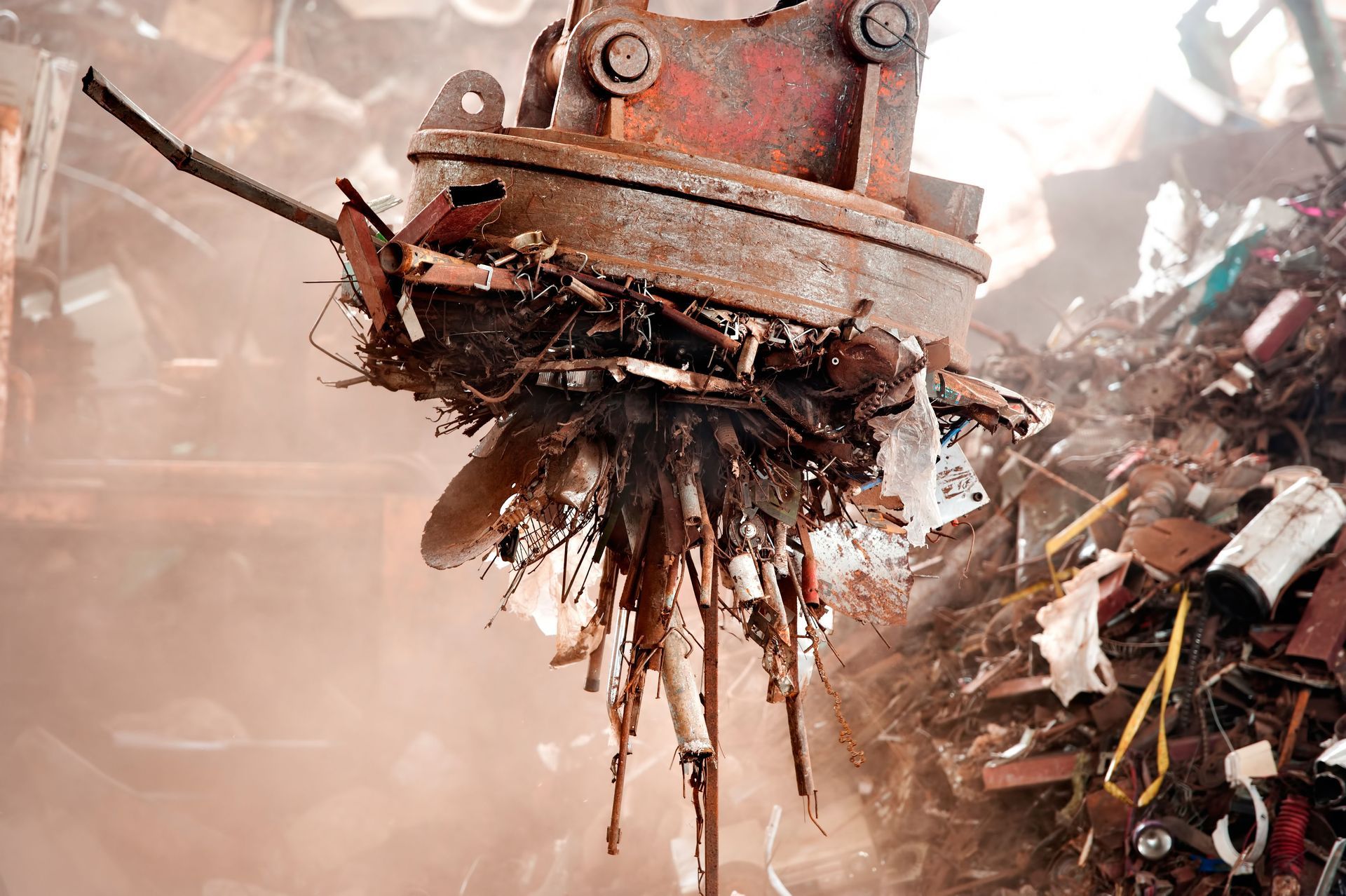
Traditional manufacturing methods relying heavily on raw resource extraction generate severe ecological impacts through disruptive mining operations. Extracting iron ore requires massive energy inputs and permanently alters natural landscapes while destroying vulnerable wildlife habitats. Choosing steel recycling mitigates these ecological damages by diminishing the necessity for continuous raw material mining across the globe. Relying on existing scrap metal allows modern industries to preserve pristine natural landscapes and protect biodiversity from destruction. Preserving these zones ensures that natural systems continue to function properly.
The strategic conservation of these raw materials provides a buffer for manufacturing sectors against resource depletion. When industries prioritize the utilization of recovered metals, they safeguard essential supplies for future generations. This sensible approach to resource management ensures that industrial development does not exhaust the physical capital of the planet. By decoupling economic progress from total raw material consumption, companies build a more resilient foundation for global commerce. Focusing on resource preservation helps stabilize long-term industrial operations.
Reduce Global Carbon Emissions
Processing discarded metal requires far less energy compared to extracting, refining, and processing raw mined materials. Lowering these operational energy requirements directly translates to a substantial reduction in greenhouse gas emissions from modern manufacturing facilities. Widespread adoption of steel recycling remains vital for international efforts to combat climate change and meet strict atmospheric targets. Cleaner manufacturing processes mean fewer carbon compounds are released into the Earth's atmosphere during production cycles. Reducing emissions represents an essential step toward global climate goals.
The direct correlation between decreased energy use and lower emissions underscores the environmental value of modern recovery networks. Large industrial facilities can significantly shrink their carbon footprints by substituting heavy raw processing with efficient melting methods. This environmental shift assists nations in achieving their climate goals while promoting cleaner air for surrounding communities. Mitigating greenhouse gases through advanced manufacturing adjustments represents a necessary step toward achieving true global sustainability. Cleaner alternatives ensure that production activities align with ecological stewardship.
Minimize Overflowing Landfill Waste
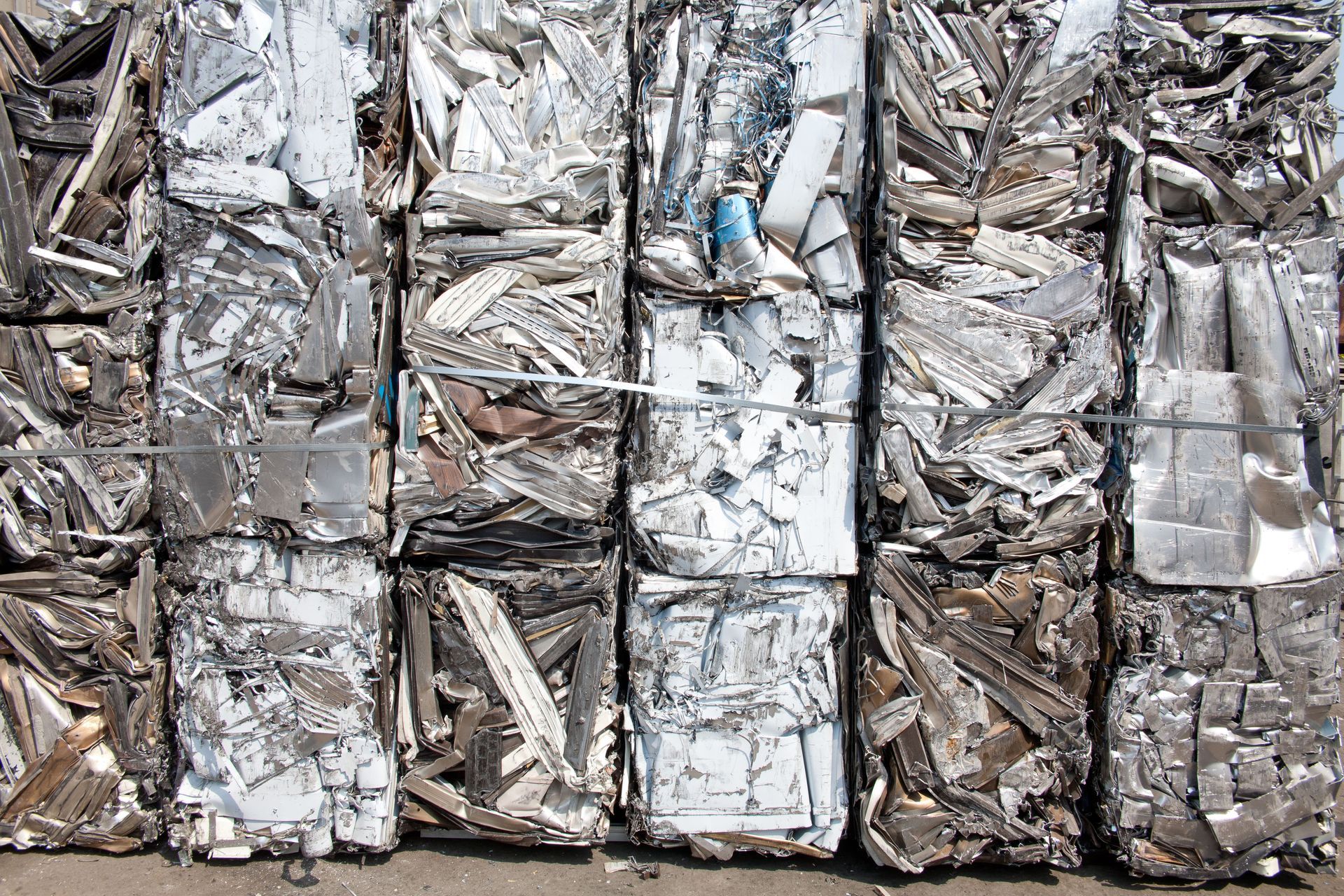
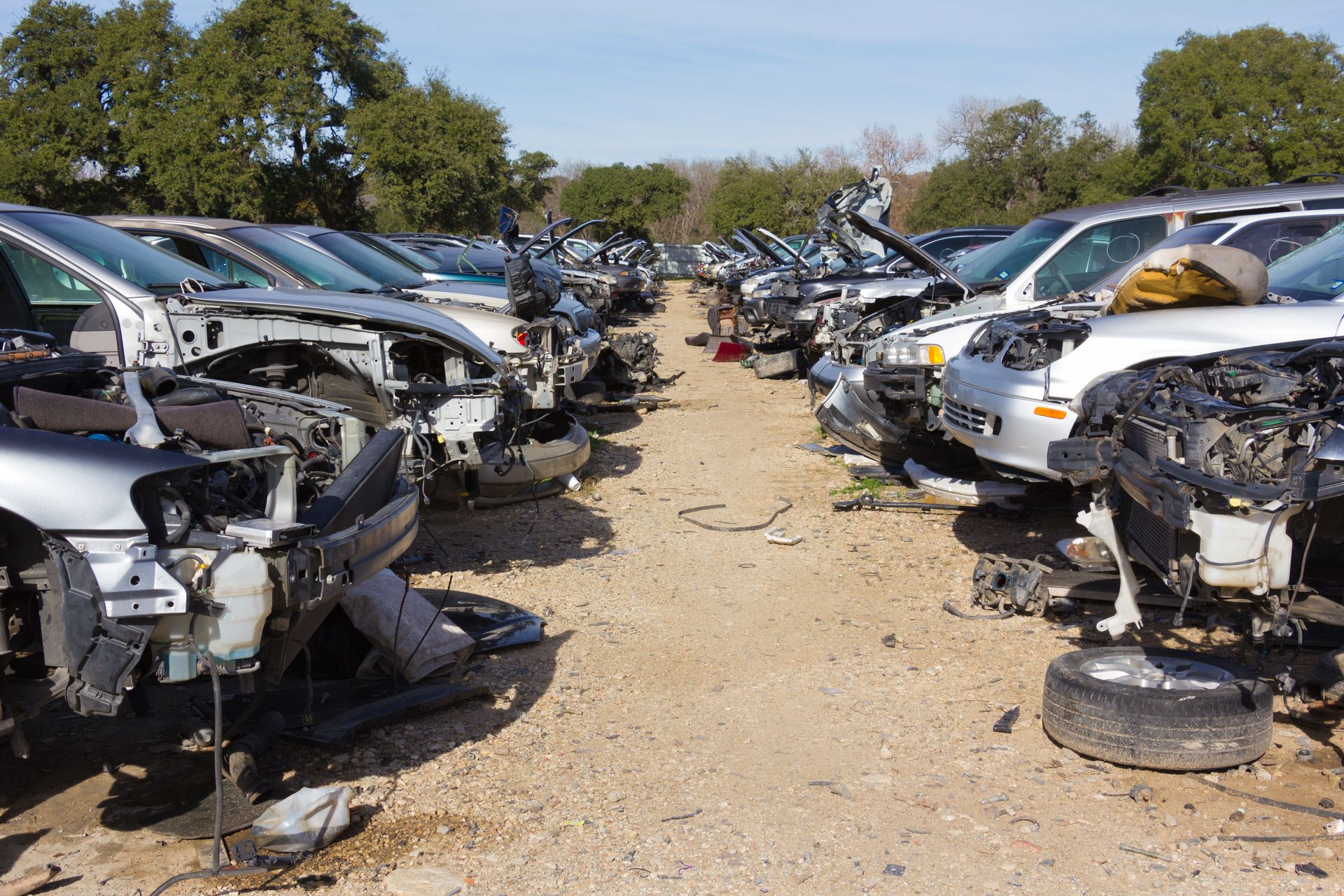
Diverting heavy metal components from waste streams directly addresses the growing global crisis of overflowing municipal landfills. Discarded household appliances, obsolete machinery, and structural beams occupy massive amounts of physical space when they are cast away. Over time, buried metallic waste can degrade and contribute to severe soil contamination, posing long-term hazards to surrounding areas. Embracing a circular production model ensures that these durable materials are viewed as valuable assets instead of trash. This shift redefines how modern societies handle industrial waste.
Preventing valuable metals from entering waste disposal sites alleviates the intense pressure currently facing municipal management systems. Cities that successfully implement comprehensive collection programs serve as excellent models for regional and national sustainability efforts. Steel recycling transforms potential environmental liabilities into productive industrial inputs, maximizing the utility of every item produced. Reducing landfill dependency fosters a cleaner environment and promotes a healthier relationship between urban centers and nature. Effective waste diversion ensures elements remain within the active economy.
Decrease Industrial Energy Demands
The immense energy required to operate traditional blast furnaces places a heavy burden on global power grids and fuel reserves. Primary production relies heavily on burning fossil fuels to achieve the extreme temperatures necessary for refining raw iron ore. Shifting toward secondary production methods allows facilities to conserve electricity and fuel, lowering the aggregate energy demand of the industrial sector. This conservation helps stabilize energy markets and ensures that power remains available for other critical social needs. Protecting energy infrastructure requires a commitment to efficiency.
Implementing advanced recovery technologies enables processing plants to achieve maximum thermal efficiency during the melting phase. Because scrap metal is already refined, melting it down requires a fraction of the power utilized in raw processing. Embracing steel recycling allows manufacturers to optimize their energy consumption profiles while maintaining high production volumes. This efficiency reinforces industrial resilience and supports the global transition toward low-carbon energy systems. Conserving power through these systems keeps manufacturing operations competitive and sustainable.
Lower Toxic Environmental Pollution
Traditional steelmaking processes frequently discharge hazardous pollutants into local air corridors and aquatic systems, threatening public health. Particulate matter, sulfur compounds, and nitrogen gases released during raw refining contribute to regional smog and respiratory ailments. Utilizing processed scrap metal significantly decreases the generation of these toxic industrial byproducts, creating safer living conditions for nearby populations. Prioritizing cleaner production alternatives reflects a proactive commitment to safeguarding community health and environmental integrity. Eliminating hazardous emissions is vital for urban centers worldwide.
Water conservation represents another critical area where alternative manufacturing methods deliver substantial advantages over older practices. Raw refining processes consume vast volumes of water and create complex wastewater streams that require intensive chemical treatment. Reclaiming existing metal uses significantly less water and minimizes the risk of releasing harmful chemical effluents into local watersheds. Protecting these fragile aquatic ecosystems is essential for sustaining biodiversity and ensuring clean water access for everyone. Clean water systems remain a foundational element of ecological balance.
Boost Economic Production Savings
According to information published by the American Iron and Steel Institute, local production facilities process nearly 70 million tons of domestic scrap material each year to generate new metal supplies. This massive volume demonstrates the incredible scale at which modern commerce can integrate reused elements into daily operations. Relying on this steady stream of domestic scrap helps insulate local businesses from the unpredictability of global raw material markets. Securing an internal supply chain protects manufacturers from sudden disruptions.
The widespread economic advantages of utilizing processed scrap extend directly to corporate balance sheets and consumer pricing. Bypassing the costly stages of raw material extraction enables companies to reduce their overall manufacturing expenses substantially. These accumulated savings can be passed down to consumers, making essential goods and infrastructural projects more affordable. Investing in steel recycling proves that environmental responsibility and strong financial performance can coexist seamlessly within modern industrial frameworks. Creating financial efficiencies drives long-term economic growth.
The widespread adoption of steel recycling demonstrates how heavy industries can successfully adapt to meet both ecological demands and financial goals. By preserving finite natural resources, reducing dangerous atmospheric emissions, and lowering production costs, this practice provides a comprehensive solution to modern manufacturing challenges. Moving away from linear consumption allows societies to build a resilient framework that protects our shared planet. This transformation supports both environmental health and industrial longevity.
Achieving a sustainable future depends entirely on the deliberate choices made by corporate leaders, regional policymakers, and local communities alike. Every piece of scrap metal diverted from a waste stream represents a vital step toward achieving long-term global ecological balance. By supporting local recovery initiatives, we can collectively reduce our carbon footprint and ensure that valuable materials are never wasted. To make a meaningful impact in our communities and protect our environment, partner with Mack's Twin City Recycling.