Your Basic Guide to Recycling as a Homeowner
February 19, 2026
In an era defined by operational performance metrics and sustainability benchmarks, the role of the modern homeowner has expanded beyond property maintenance and value retention to encompass environmental stewardship and community responsibility. At the core of this shift is an imperative for efficient recycling practices that not only reduce waste but also enhance resource lifecycle management. As industry leaders in material diversion and environmental compliance, Mack's Twin City Recycling is committed to empowering homeowners with actionable insights that translate into measurable outcomes.
Understanding the Strategic Value of Recycling
Recycling is no longer a peripheral concern; it is a fundamental component of robust waste management strategies. From a corporate sustainability standpoint, recycling reduces dependency on virgin resources, minimizes landfill utilization, and contributes to broader environmental, social, and governance (ESG) goals. As a homeowner, your participation in recycling initiatives positions you as an active stakeholder in reducing environmental impact and facilitating circular economy principles within your local community.
According to Forbes, in the United States, 94% of residents support recycling. This overwhelming endorsement reflects a national cultural shift toward environmental awareness and collective action. For homeowners, such support translates into an ecosystem where municipal programs, private haulers, and community organizations are increasingly aligned with recycling objectives. Your engagement in these programs reinforces demand for improved recycling infrastructure and service delivery models, ultimately advancing regional sustainability metrics.
Evaluating the Operational Framework of Recycling Programs
To integrate recycling effectively into your household routines, it's essential to understand the core operational framework that governs material collection, sorting, and processing. Municipal recycling initiatives vary by jurisdiction, but most follow a standard set of protocols designed to optimize material recovery and minimize contamination risks. From curbside collection schedules to drop-off center requirements, each component of the recycling process is structured to support efficient throughput and quality control.
Homeowners should proactively engage with their local recycling guidelines to ensure materials are appropriately prepared for collection. This means familiarizing yourself with acceptable item categories, proper cleaning procedures, and preparation standards that prevent contamination. By aligning your household practices with established recycling protocols, you contribute to higher recovery rates and reduce operational friction within the system.
Assessing Material Categories for Recycling Compliance
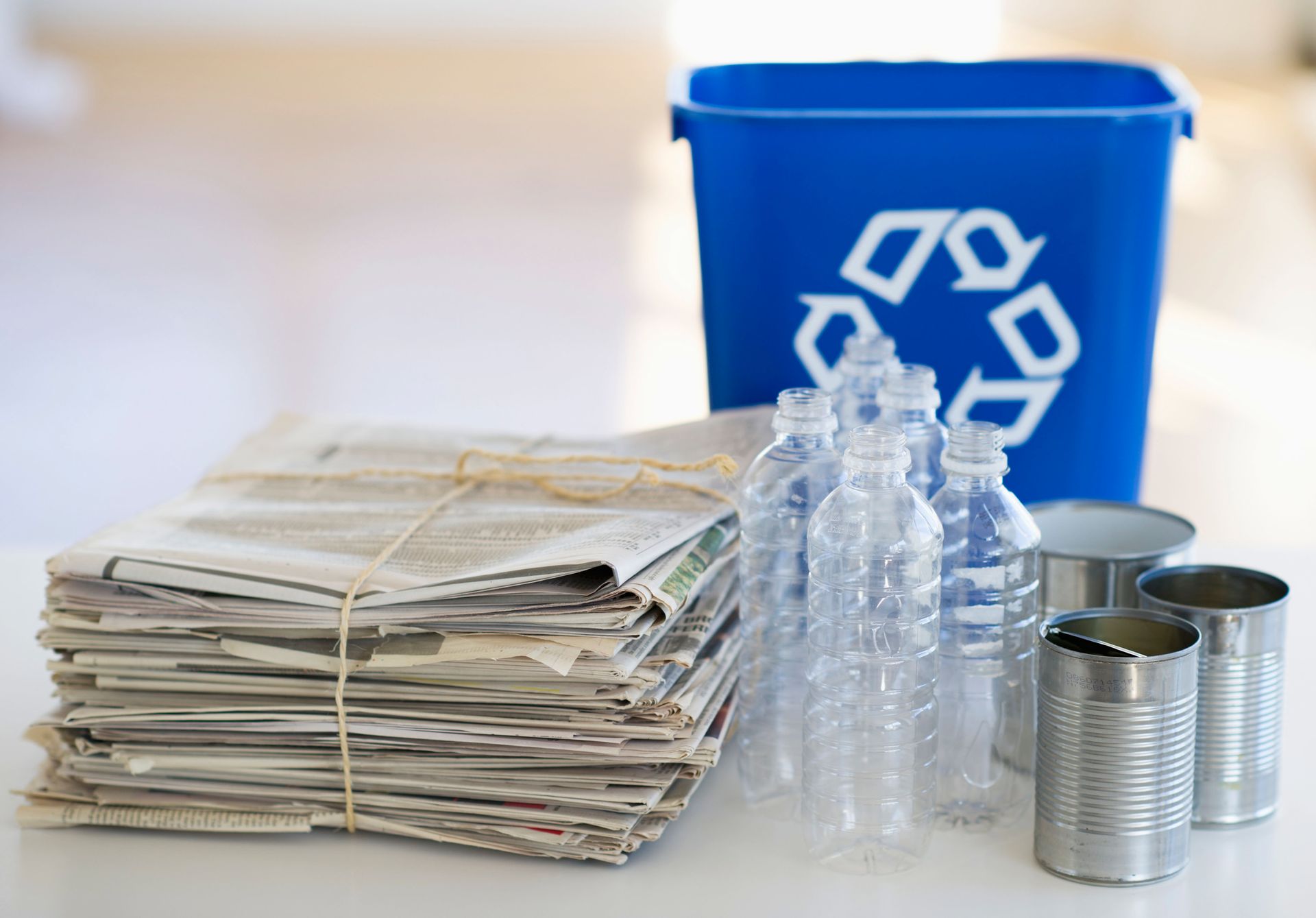
A comprehensive recycling strategy begins with understanding the various material categories that are eligible for diversion. Common categories include paper products, cardboard, glass containers, metals, and certain types of plastics. Each category presents unique handling requirements and end-market destinations, underscoring the importance of accurate sorting practices at the source.
For example, paper and cardboard are typically bundled or flattened to maximize space efficiency and reduce processing challenges. Glass containers must be free of non-recyclable contaminants, while metals may require separation by type to align with downstream processing streams. Plastics, often identified by resin identification codes, must be sorted appropriately to match compatible recycling channels. By thoughtfully categorizing materials in your home, you support the integrity of the recycling supply chain and enhance the quality of recovered resources.
Advancing Household Recycling Through Infrastructure Integration
Effective recycling extends beyond individual items; it requires integration with broader infrastructure systems that enable scalability and long-term viability. As a homeowner, evaluating the accessibility and efficiency of local recycling infrastructure is key to optimizing your participation. This includes understanding the location and hours of drop-off centers, the frequency of curbside pickups, and the availability of supplemental services for specialized materials such as electronics or hazardous waste.
Engaging with local authorities and service providers to assess infrastructure capabilities allows you to identify opportunities for improved convenience and expanded recycling participation. Whether it's advocating for additional collection days or exploring on-site drop-off solutions, homeowners play a pivotal role in shaping service delivery models that support sustainable outcomes.
Implementing Household Practices for Recycling Optimization
Transitioning from awareness to action requires structured household practices that make recycling a seamless component of daily life. Establishing designated zones within your home for recyclable materials encourages consistency and reduces the likelihood of cross-contamination with general waste. Clear labeling, color-coded containers, and regular communication with family members or occupants help institutionalize recycling behaviors and reinforce accountability.
In addition to setup, developing routine processes for material preparation-such as rinsing containers, breaking down boxes, and removing non-recyclable elements-ensures that materials entering the recycling stream meet quality standards. This proactive approach not only enhances sorting efficiency but also supports the overall performance of recycling operations at the municipal or processing level. By adopting disciplined household practices, you contribute to continuous improvement in recycling effectiveness.
Leveraging Technology and Digital Tools for Recycling Awareness
In today's data-driven environment, technology plays a critical role in enhancing recycling literacy and participation. Homeowners can leverage digital tools, such as mobile apps and online portals, to access up-to-date information on collection schedules, material guidelines, and service alerts. These resources offer dynamic support for navigating complex recycling requirements and help ensure compliance with evolving best practices.
Furthermore, many communities offer digital dashboards that track recycling rates, contamination levels, and overall program performance. By engaging with these platforms, homeowners gain visibility into the collective impact of their efforts and can benchmark progress against broader sustainability goals. The integration of technology into everyday recycling activities empowers individuals to make informed decisions and fosters a culture of continuous learning and improvement.
Evaluating the Economic and Environmental Impact of Recycling
Beyond its operational mechanics, recycling yields tangible economic and environmental benefits that resonate across multiple stakeholder groups. From an environmental perspective, recycling conserves natural resources, reduces greenhouse gas emissions associated with raw material extraction, and mitigates landfill expansion. These outcomes align with broader sustainability targets and contribute to climate resilience efforts at both local and national levels.
Economically, recycling supports job creation within material recovery facilities, processing centers, and end-market manufacturers. It also stimulates demand for recycled content in new products, reinforcing the viability of circular supply chains. Homeowners who consistently recycle contribute to a robust economic ecosystem that values resource efficiency and responsible consumption patterns. This dual impact underscores the strategic importance of recycling as a value driver in both environmental and economic contexts.
Fostering Community Engagement and Recycling Advocacy
As a homeowner, your influence extends beyond your property boundaries to the wider community. Active participation in recycling initiatives sets a precedent for neighbors, schools, and local organizations, fostering a culture of collective responsibility. Engaging with community events, workshops, or educational campaigns amplifies awareness and encourages broader adoption of recycling best practices.
Advocacy efforts can take many forms, from partnering with local government to improve program accessibility to supporting neighborhood recycling drives or zero-waste challenges. By positioning yourself as a champion of sustainability, you inspire others to embrace recycling not just as a task, but as a shared commitment to environmental stewardship. Community engagement fortifies the social fabric and reinforces the value proposition of recycling as a communal endeavor.
Navigating Challenges and Overcoming Barriers to Recycling
Despite widespread support for recycling, homeowners may encounter challenges that hinder full participation. Common barriers include confusion about acceptable materials, limited access to collection services, and concerns about contamination. Addressing these obstacles requires a proactive mindset and a willingness to seek clarification from service providers or community resources.
Open communication with waste haulers and municipal representatives can clarify program parameters and surface opportunities for enhanced support. Additionally, educational outreach-whether through local forums, social media, or neighborhood associations-can demystify recycling requirements and reduce uncertainties. By confronting challenges head-on and seeking collaborative solutions, homeowners reinforce the resilience of recycling systems and contribute to long-term sustainability outcomes.
Your role as a homeowner in advancing recycling cannot be overstated. From understanding material requirements and integrating infrastructure support to fostering community engagement and measuring impact, each step you take reinforces the value of sustainable waste management. As recycling continues to evolve, your proactive participation ensures that you remain an indispensable partner in building a greener, more resilient future. If you're looking for recycling services, contact Mack's Twin City Recycling today.