Boosting Your Bottom Line Through Metal Recycling
July 26, 2026
Businesses constantly look for practical ways to improve efficiency while controlling operating costs. Every decision involving materials, equipment, and waste management can influence overall profitability. Although many organizations focus on increasing sales or reducing labor expenses, they sometimes overlook the value hidden in discarded materials. Scrap generated through daily operations may represent an opportunity to recover revenue while supporting more responsible resource management.
Whether a company operates in manufacturing, construction, demolition, automotive repair, agriculture, or another industrial field, leftover metals often accumulate over time. Without a structured approach, these materials occupy valuable space, complicate workflows, and create unnecessary clutter. Establishing a reliable process for metal recycling transforms what might otherwise be viewed as waste into an asset that contributes to financial performance.
Beyond the direct economic advantages, recycling metals demonstrates thoughtful stewardship of valuable resources while promoting greater operational efficiency. Working with an experienced recycling partner allows organizations to maximize the value of recoverable materials while simplifying disposal processes that would otherwise consume valuable time and resources.
Recovering Value From Scrap Materials
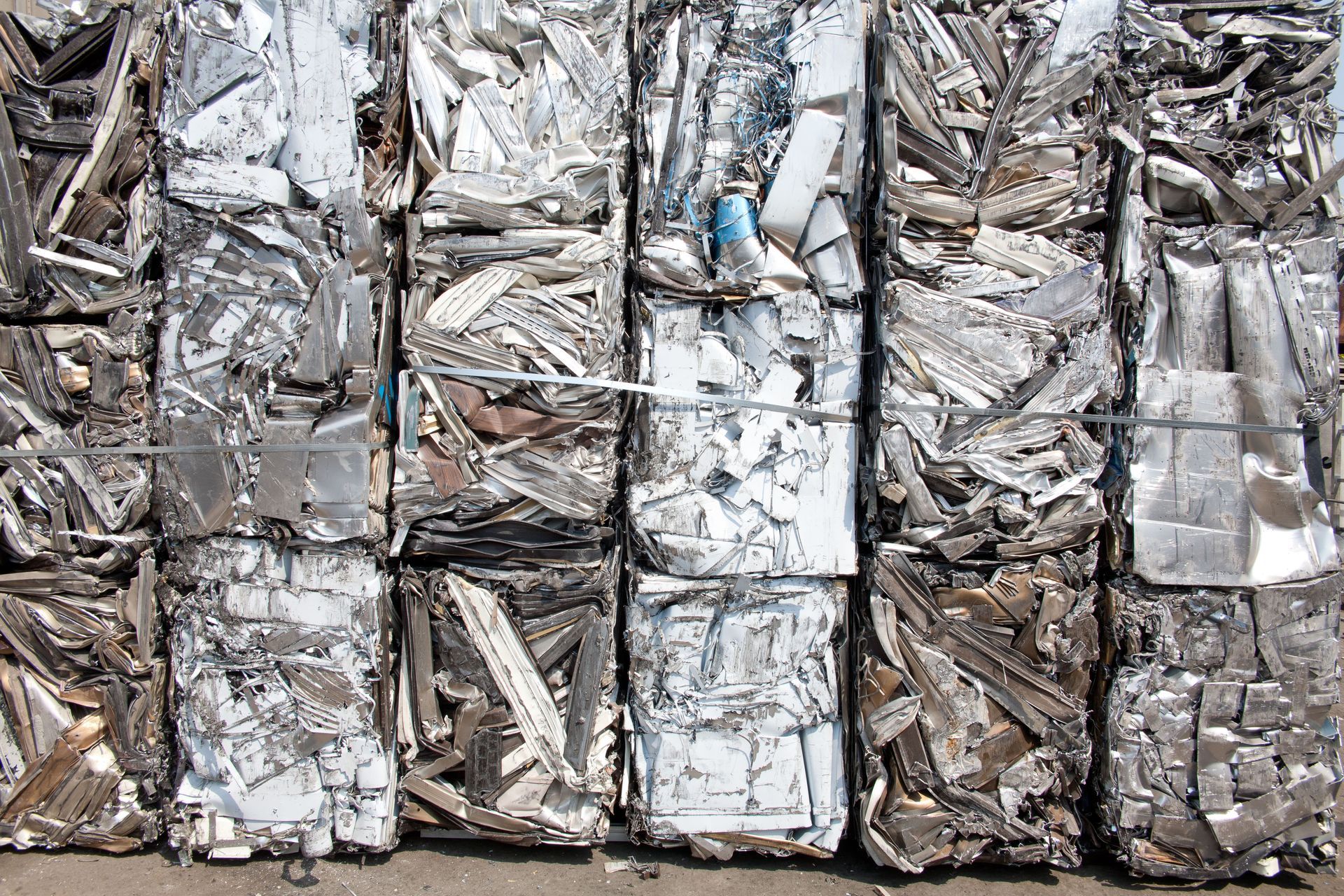
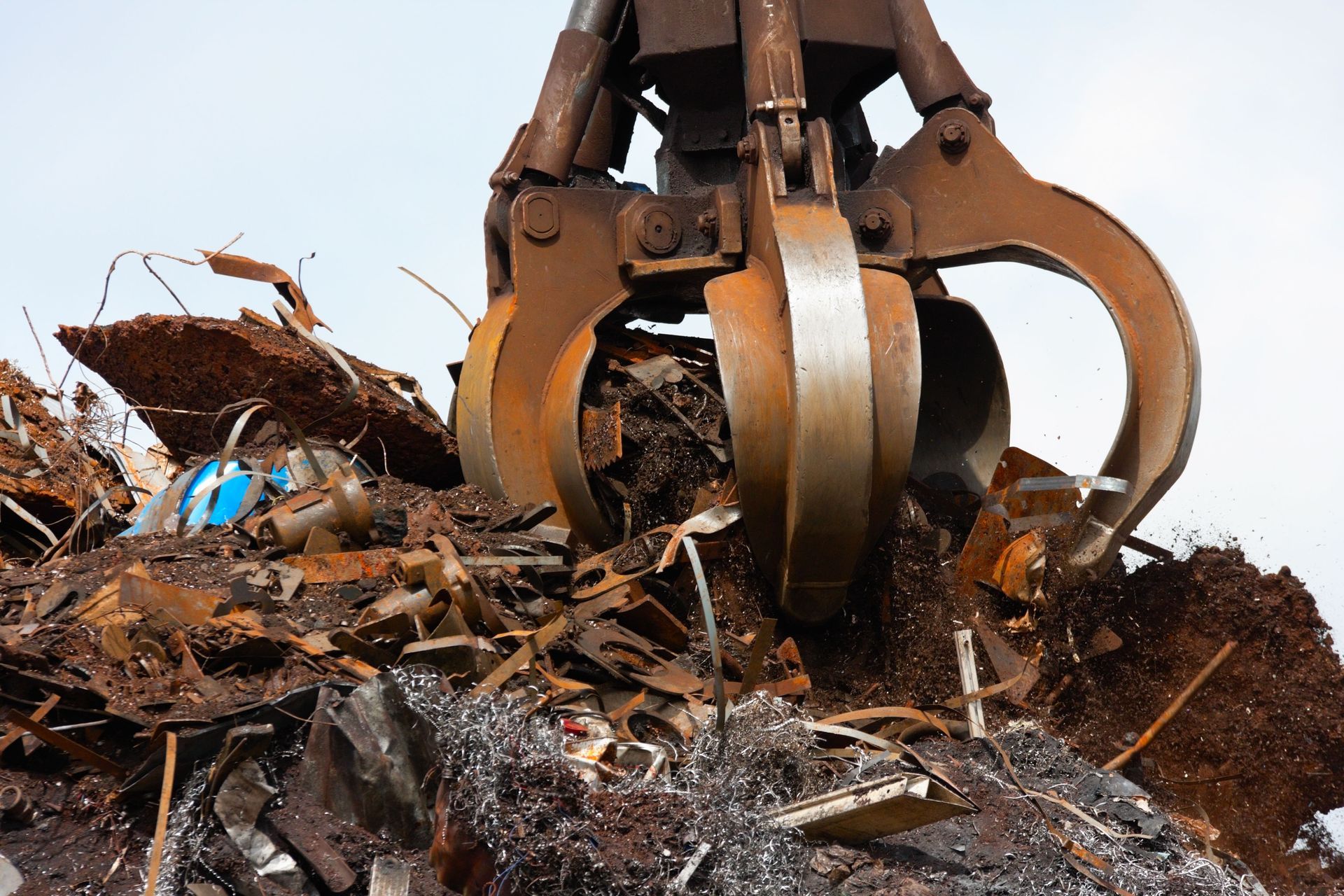
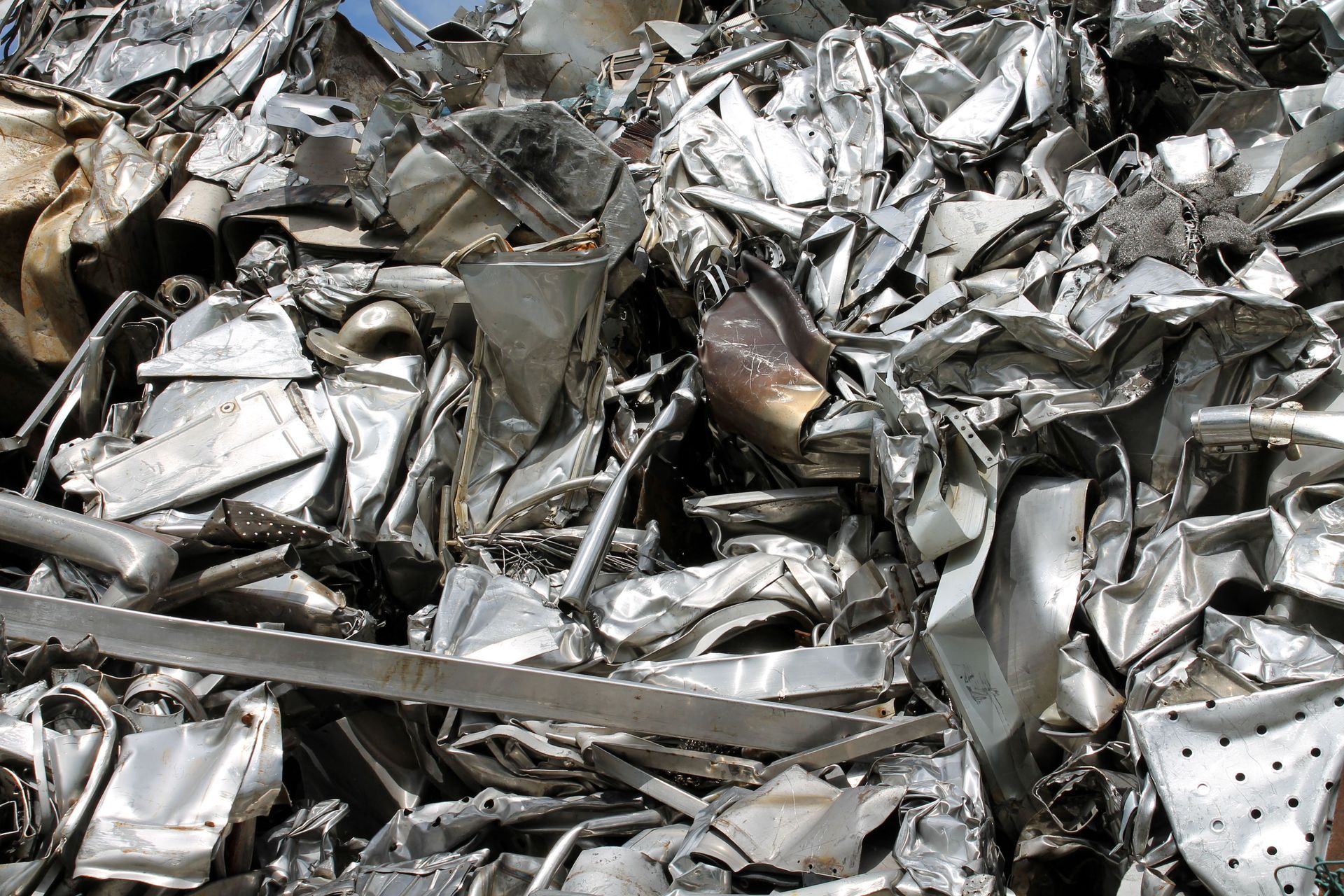
Many businesses generate scrap without fully recognizing its financial potential. Production offcuts, outdated equipment, damaged components, piping, structural materials, wiring, and machinery parts may all retain measurable value despite no longer serving their original purpose. Rather than allowing these items to accumulate indefinitely, companies can recover a portion of their investment through metal recycling.
The financial benefits extend beyond simply receiving payment for recyclable materials. Removing unused metal also reduces storage demands throughout warehouses, production areas, and outdoor yards. Cleaner workspaces often improve organization while making inventory management easier for employees responsible for daily operations.
Recovering value from scrap also encourages businesses to examine purchasing and production habits more closely. Understanding the types of materials being recycled may help identify opportunities to reduce waste generation over time, creating additional long-term savings alongside recycling revenue.
Reducing Operational Inefficiencies
Excess scrap frequently interferes with efficient workflows. Materials stored in aisles, staging areas, or production spaces can slow movement, complicate equipment access, and increase the time employees spend navigating the workplace. Organized collection and scheduled removal help eliminate these unnecessary obstacles.
A cleaner environment supports smoother day-to-day operations because employees spend less time working around accumulated materials. Equipment can be accessed more easily, loading areas remain available for active projects, and inventory becomes simpler to organize. These improvements contribute to greater productivity throughout the workplace.
Companies that prioritize metal recycling often discover operational benefits beyond financial returns. Better organization supports more efficient scheduling, clearer work areas, and improved coordination between departments handling production, maintenance, shipping, and receiving activities.
Supporting Sustainable Business Practices
Environmental responsibility has become an increasingly important consideration for organizations across many industries. Customers, business partners, and communities often appreciate companies that actively pursue responsible resource management while minimizing unnecessary waste.
Recovering recyclable metals reduces demand for newly extracted raw materials while extending the useful life of valuable resources already in circulation. This approach aligns financial objectives with broader sustainability initiatives that many organizations have incorporated into their long-term planning.
The steel industry provides an excellent example of resource recovery in action. According to the American Iron and Steel Institute, more than 90 percent of steel production co-products, including slag, water, gases, dusts, and energy, are recycled or reused. This demonstrates how valuable materials can continue serving productive purposes rather than being discarded.
Integrating metal recycling into routine operations reflects a commitment to responsible business practices while complementing environmental goals that may strengthen a company’s reputation among customers and stakeholders.
Improving Workplace Organization
An organized workplace benefits both employees and daily operations. Scrap piles, unused equipment, and obsolete materials can gradually consume valuable workspace if they remain unaddressed. Over time, these accumulations may create visual clutter while reducing flexibility within production and storage areas.
Regular removal of recyclable metals helps maintain cleaner facilities that are easier to navigate and manage. Employees can locate needed materials more efficiently, supervisors gain improved visibility across work areas, and maintenance teams encounter fewer obstacles when servicing equipment.
Organization also contributes to stronger operational planning. Designated collection areas simplify material handling while reducing confusion about what should be retained and what can be removed. Establishing clear procedures for metal recycling encourages consistency throughout the organization while helping facilities remain orderly.
A well-maintained environment often creates a more professional impression for visitors, customers, vendors, and prospective business partners. Clean facilities communicate attention to detail and reinforce confidence in the company’s overall operations.
Strengthening Long-Term Financial Planning
Revenue generated through recyclable materials may appear modest at first, but consistent recovery efforts can contribute meaningfully over time. Businesses that regularly evaluate recyclable inventory often uncover opportunities to improve cash flow while reducing unnecessary storage expenses.
Long-term planning benefits from recognizing scrap as a recoverable asset rather than an unavoidable cost. Periodic recycling helps prevent large accumulations that require extensive cleanup while allowing organizations to manage material flow more effectively throughout the year.
Financial forecasting also becomes more accurate when businesses establish predictable recycling schedules. Recovering value from obsolete equipment, surplus inventory, and manufacturing byproducts supports ongoing efforts to improve operational efficiency without disrupting normal activities.
As organizations expand, maintaining structured metal recycling practices helps ensure growth does not result in increasing waste accumulation or reduced facility organization.
Creating Safer Working Environments
Maintaining clean workspaces contributes to a safer environment for employees, contractors, and visitors. Loose scrap materials, damaged equipment, and scattered metal components may create unnecessary hazards if allowed to remain in active work areas.
Routine collection and removal reduce congestion while helping employees move throughout facilities with greater confidence. Organized storage areas also improve equipment accessibility and simplify housekeeping efforts that support overall workplace safety.
Professional recycling services help ensure materials are managed responsibly using appropriate handling procedures. Different metals often require specialized processing and transportation that experienced recycling facilities are prepared to provide. Businesses benefit from having recoverable materials removed efficiently while minimizing disruptions to daily operations.
Prioritizing metal recycling also encourages employees to participate in better housekeeping habits. When designated collection systems are readily available, workers are more likely to place recyclable materials in appropriate locations instead of allowing scrap to accumulate throughout the workplace.
Building Stronger Business Partnerships
Successful businesses often rely on dependable service providers who understand their operational needs. Developing an ongoing relationship with a trusted recycling partner creates consistency that supports long-term planning and reliable material management.
Experienced recyclers understand the varying types of metals generated across different industries and can help businesses establish collection schedules that align with production demands. This coordinated approach minimizes interruptions while ensuring recyclable materials are removed efficiently.
Reliable partnerships also simplify administrative processes by creating consistent procedures for pickups, documentation, and communication. Instead of making repeated disposal decisions whenever scrap accumulates, businesses benefit from an established system that supports smoother operations.
Choosing a knowledgeable recycling partner allows organizations to focus their attention on serving customers, managing employees, and pursuing growth while maintaining effective metal recycling practices in the background.
Improving profitability often depends on recognizing opportunities that may initially seem insignificant. Scrap metals generated through everyday operations represent valuable resources that should not be overlooked. Recovering these materials supports stronger financial performance while improving organization, operational efficiency, workplace safety, and environmental responsibility.
Businesses across numerous industries can benefit from viewing recyclable metals as assets rather than waste. With thoughtful planning and consistent collection practices, organizations create cleaner facilities, recover additional value from existing materials, and support more sustainable operations that contribute to long-term success.
If your business is ready to unlock greater value from recyclable materials, contact us at Mack’s Twin City Recycling. We can help develop dependable solutions that make metal recycling a practical part of your ongoing business strategy while supporting stronger operational and financial results.