Why Businesses Need Scrap Metal Recycling Today
October 21, 2026
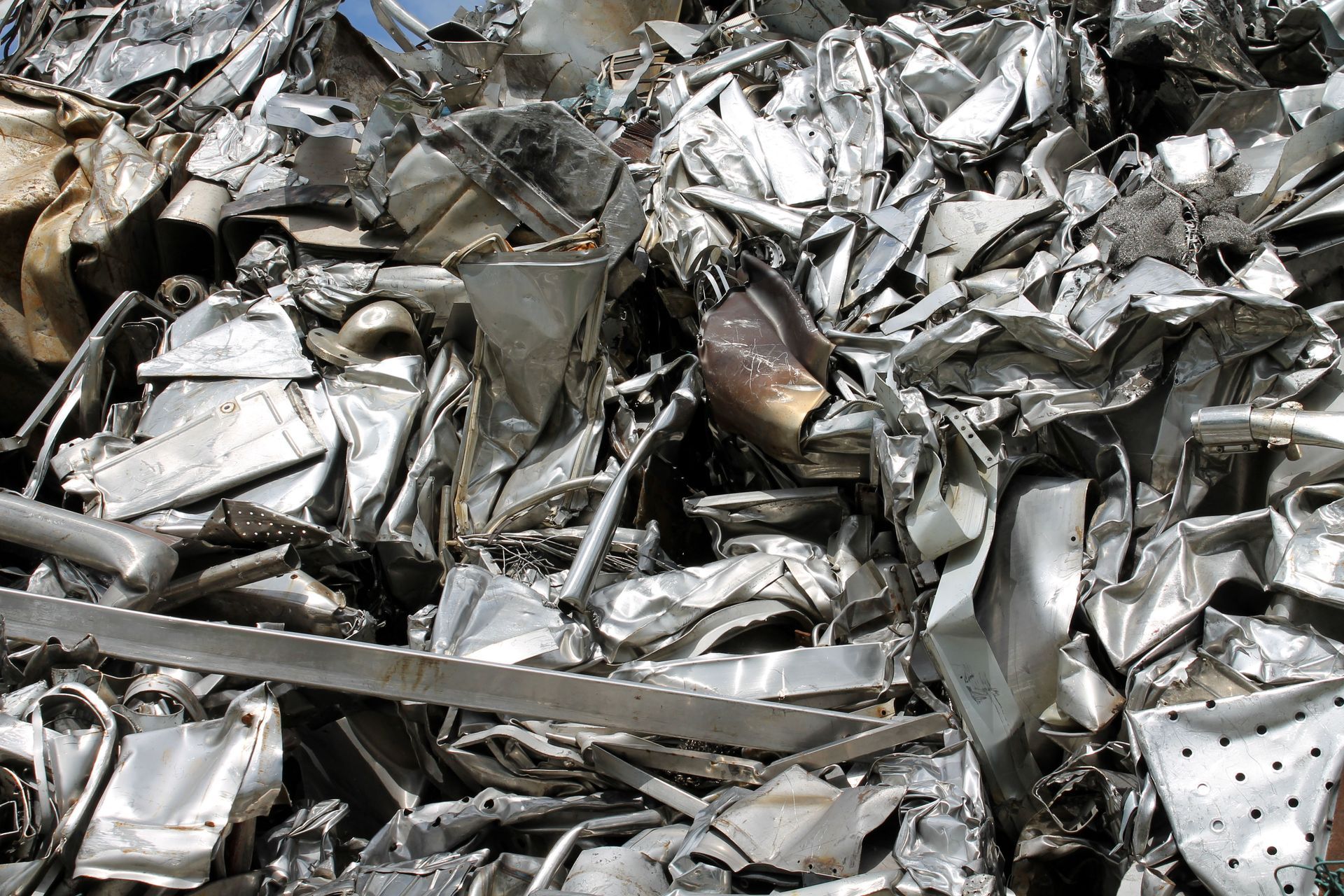
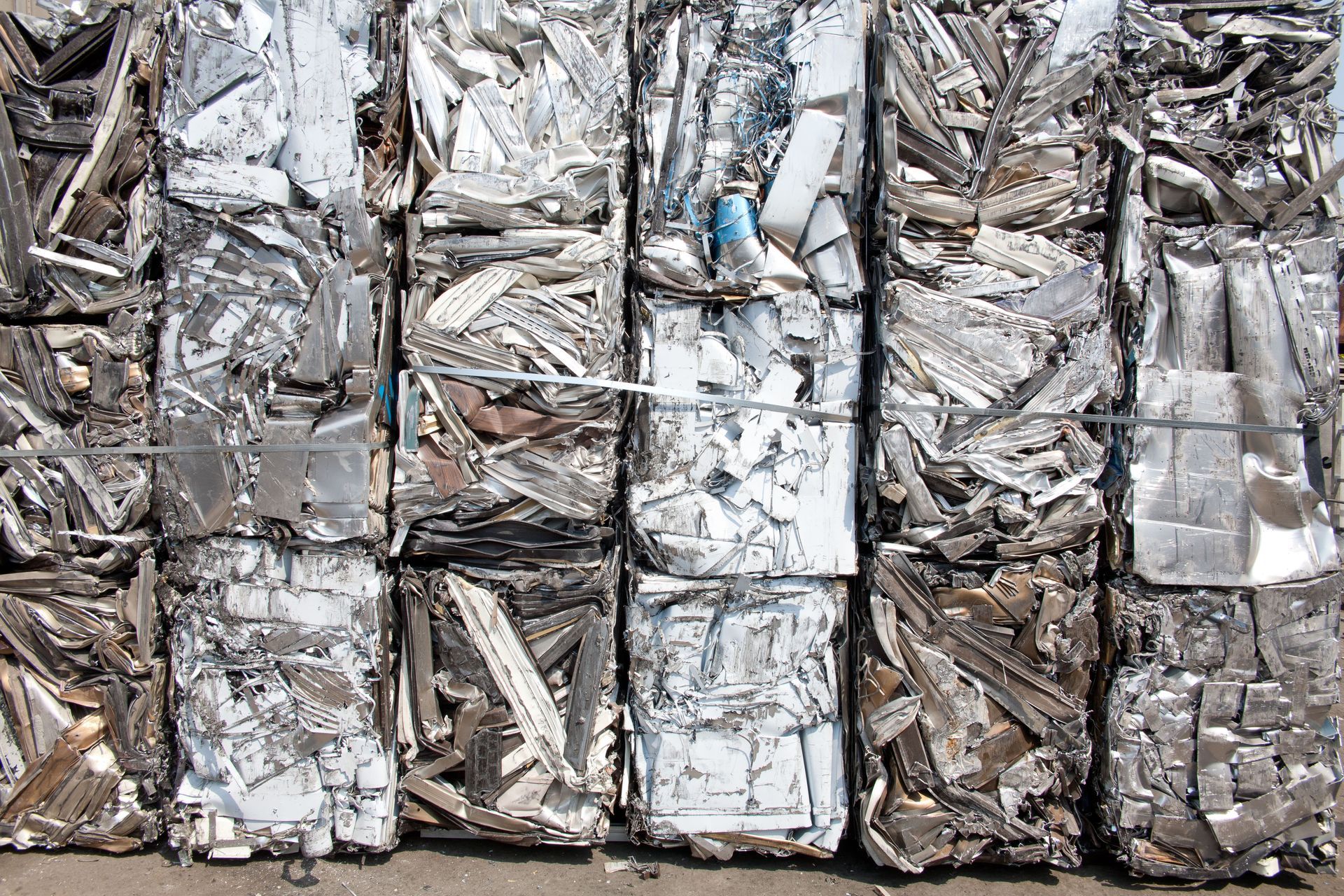
Managing industrial waste streams and raw material procurement efficiently stands as a primary operational challenge for modern commercial enterprises, manufacturing plants, demolition contractors, and automotive facilities. Daily operations generate substantial volumes of byproduct metallic debris, including copper wiring, aluminum offcuts, structural steel beams, brass fittings, and iron castings. Historically, commercial facilities treated spent metal offcuts as worthless industrial waste, paying heavy haulage fees to discard discarded materials into regional landfills. However, shifting global economic pressures, volatile raw material costs, strict municipal environmental regulations, and corporate sustainability mandates have fundamentally transformed commercial waste management frameworks. Forward-thinking executives now recognize discarded metal as a valuable secondary commodity capable of driving operational efficiency, lowering supply chain expenses, and generating immediate revenue.
Transitioning from linear resource consumption models to circular material management provides commercial enterprises with a powerful economic and environmental edge. Transforming discarded metallic waste into reusable industrial feedstocks reduces reliance on energy-intensive virgin ore mining, protects surrounding soil ecosystems, and lowers greenhouse gas emissions across manufacturing supply chains. Furthermore, establishing structured material recovery programs optimizes industrial shop floor layouts, improves jobsite safety, and simplifies regulatory environmental compliance. Partnering with professional metal processing yards transforms daily waste disposal from a costly operational burden into a streamlined financial asset. Exploring how material recovery initiatives boost profit margins, support corporate environmental sustainability, streamline jobsite safety, and protect raw material supply chains reveals why strategic recycling programs remain essential for modern commercial operations.
Boosting Profit Margins and Generating Immediate Revenue
Boosting bottom-line profitability through waste stream monetization represents the most compelling financial incentive for commercial entities today. Industrial manufacturing, building construction, and mechanical servicing generate steady volumes of non-ferrous and ferrous metal scraps that hold significant market value. Rather than paying waste management contractors heavy tipping fees to haul discarded metals to local landfills, businesses can sell these materials directly to certified scrap processing facilities.
Copper piping, insulated electrical wire, stainless steel equipment, brass valves, and aluminum sheet offcuts command strong prices in global secondary material markets. Money earned from material recovery converts an ongoing operational expense into a predictable secondary revenue stream. Partnering with a professional recycling facility ensures accurate scrap grading, certified digital scale weighing, and competitive market payouts. Implementing routine scrap metal recycling practices allows commercial operations to offset raw material acquisition costs, boost quarterly profit margins, and maximize financial returns on daily industrial waste.
Lowering Industrial Energy Usage and Carbon Footprints
Lowering total industrial energy consumption and reducing greenhouse gas emissions across manufacturing networks serves as a fundamental pillar of modern corporate environmental responsibility. Refining virgin metallic ores from raw earth requires energy-intensive mining, open-pit excavation, heavy transportation, and high-temperature smelting processes that release massive volumes of carbon dioxide into the atmosphere. Re-melting recovered metal, however, requires a small fraction of the thermal energy needed to process primary virgin ores from ground deposits.
Conserving electrical energy and fossil fuels directly reduces industrial carbon footprints, helping commercial enterprises satisfy corporate sustainability benchmarks and international environmental standards. The environmental efficiency of secondary metal processing is particularly striking when examining common commercial metals like aluminum. According to the Aluminum Association, the immense energy and cost savings of recycling have resulted in about 75% of all aluminum ever produced remaining in active use today. Committing to systematic scrap metal recycling helps corporate organizations curb global resource depletion, minimize air pollution, and foster a sustainable circular economy.
Streamlining Jobsite Safety and Optimizing Operational Space
Streamlining shop floor safety and clearing industrial workspace represents a crucial operational benefit of systematic scrap management. Accumulated metal offcuts, jagged steel plates, razor-sharp copper turnings, and discarded structural beams take up valuable floor space inside manufacturing plants, auto repair shops, and construction sites. Cluttered work environments create severe trip hazards, block emergency exit routes, and increase the risk of cut injuries or puncture wounds for shop personnel.
Establishing dedicated scrap collection bins, roll-off containers, and scheduled pickup protocols keeps work areas clean, organized, and compliant with occupational safety regulations. Clearing floor clutter allows workers to move freely, improves forklift navigation, and eliminates unnecessary fire hazards associated with oil-soaked metal shavings. Integrating continuous scrap metal recycling into daily operational routines transforms chaotic work environments into efficient, safe, and organized spaces that maximize employee productivity.
Strengthening Corporate Social Responsibility and Brand Loyalty
Strengthening corporate social responsibility initiatives and building authentic environmental credentials enhances brand reputation in an increasingly eco-conscious commercial marketplace. Consumers, institutional investors, commercial clients, and municipal procurement officers increasingly favor organizations that demonstrate genuine commitments to sustainable environmental practices. Businesses that actively divert metallic waste from landfills demonstrate clear leadership in environmental stewardship, setting themselves apart from irresponsible competitors.
Transparently reporting annual waste diversion metrics, carbon footprint reductions, and secondary material usage strengthens brand loyalty among environmentally conscious clientele. Commercial contractors bidding on green building projects or corporate supply agreements must frequently document sustainable waste disposal protocols to secure lucrative contracts. Incorporating professional scrap metal recycling into your corporate sustainability framework builds long-term brand equity, satisfies client ESG expectations, and positions your business as an environmentally responsible industry leader.
Securing Raw Material Chains and Supporting Circular Economies
Securing domestic raw material supply chains protects manufacturing sectors from unpredictable geopolitical conflicts, international shipping disruptions, and primary mining shortages. Modern industrial manufacturing relies heavily on steady, uninterrupted access to essential raw metals like copper, steel, aluminum, nickel, and iron. Depending solely on imported virgin ores leaves domestic manufacturers vulnerable to volatile international commodity pricing and unexpected supply chain bottlenecks.
Processing domestic metallic scrap creates a reliable, closed-loop supply chain that keeps essential industrial metals circulating continuously within local manufacturing economies. Secondary raw materials are rapidly processed, re-melted, and delivered directly to regional foundries, mills, and fabricators to create new commercial products. Relying on specialized scrap metal recycling contractors strengthens regional industrial resilience, stabilizes local manufacturing material costs, and safeguards domestic manufacturing sectors against international supply chain disruptions.
Integrating systematic scrap metal recovery into daily commercial operations represents a smart, highly profitable business strategy that yields substantial financial, operational, and environmental returns. Monetizing industrial metal waste transforms ongoing disposal costs into a steady secondary revenue stream that boosts quarterly profit margins and offsets raw material expenses. Simultaneously, re-processing recovered secondary metals conserves massive amounts of industrial energy, lowers greenhouse gas emissions, and protects pristine natural environments from raw ore extraction.
At Mack's Twin City Recycling, we are deeply committed to elevating your commercial waste management strategy, maximizing your secondary material profits, and delivering superior metal recovery solutions through master craftsmanship, advanced processing technology, and dedicated customer care. Our team of certified recycling specialists brings extensive technical expertise, digital scale accuracy, heavy-duty container fleets, and meticulous attention to detail to every commercial scrap pickup, industrial container placement, non-ferrous sorting, structural steel processing, and custom scrap metal recycling project we execute across our community. We take immense pride in evaluating your unique industrial waste streams, analyzing material purity levels, inspecting jobsite containment setups, and delivering custom recovery programs that bring total financial returns, operational safety, and environmental security to your business. Furthermore, our company prioritizes clear communication, transparent market pricing, clean jobsite management, and exceptional service performance from initial container drop-off through final payment distribution. We carefully examine every material grade, weight ticket, safety protocol, and environmental standard to guarantee maximum payout value, regulatory compliance, and complete client satisfaction. Contact us today to schedule your comprehensive scrap management consultation and discover the true value of working with dedicated local recycling specialists.