How Much of Our Daily Waste Can Actually Be Recycled?
May 26, 2026
The staggering volume of waste generated by modern households often leads to a sense of "wish-cycling," where items are placed in blue bins based on hope rather than habit. Understanding the true recyclability of our daily refuse is essential for reducing the burden on landfills and supporting a circular economy. By examining the chemical and structural properties of common materials, we can better navigate the complexities of modern waste management.
Navigating the Complexity of Plastics
Plastic remains the most confusing category for the average consumer due to the wide variety of resins used in manufacturing. While almost all plastic containers feature the "chasing arrows" symbol, this is merely a resin identification code rather than a guarantee of recyclability. In most municipal systems, only Number 1 (PET) and Number 2 (HDPE) plastics—the kind used for water bottles and milk jugs—possess a stable enough secondary market to be consistently processed.
Soft plastics, such as grocery bags, bubble wrap, and frozen food packaging, are a major source of contamination in mechanical sorting facilities. These "tanglers" get caught in the spinning gears of recycling machinery, forcing entire plants to shut down for manual removal. To effectively recycle these items, they must be taken to specialized drop-off locations rather than placed in curbside bins. Improving plastic recovery rates requires a shift toward standardized packaging and a more robust infrastructure for chemical recycling.
Evaluating the Efficiency of Paper Products
Paper and cardboard are among the most recycled materials globally, but they face a significant enemy: food contamination. A pizza box saturated with grease or a paper coffee cup lined with a thin layer of plastic film cannot be processed into high-quality new paper. When fibers are contaminated with oils, they cannot bond properly during the pulping stage, often resulting in the entire batch being discarded as trash.
Furthermore, paper cannot be recycled indefinitely; every time the fibers are processed, they become shorter and weaker. After five to seven cycles, the fibers are too short to hold together, at which point they are often used for lower-grade products like egg cartons or insulation. Despite these limitations, the recovery of paper remains a cornerstone of environmental efforts. According to Forbes, in the United States, 94% of residents support recycling, and paper products continue to be the primary way most citizens participate in these green initiatives.
Maximizing the Potential of Metal Recycling
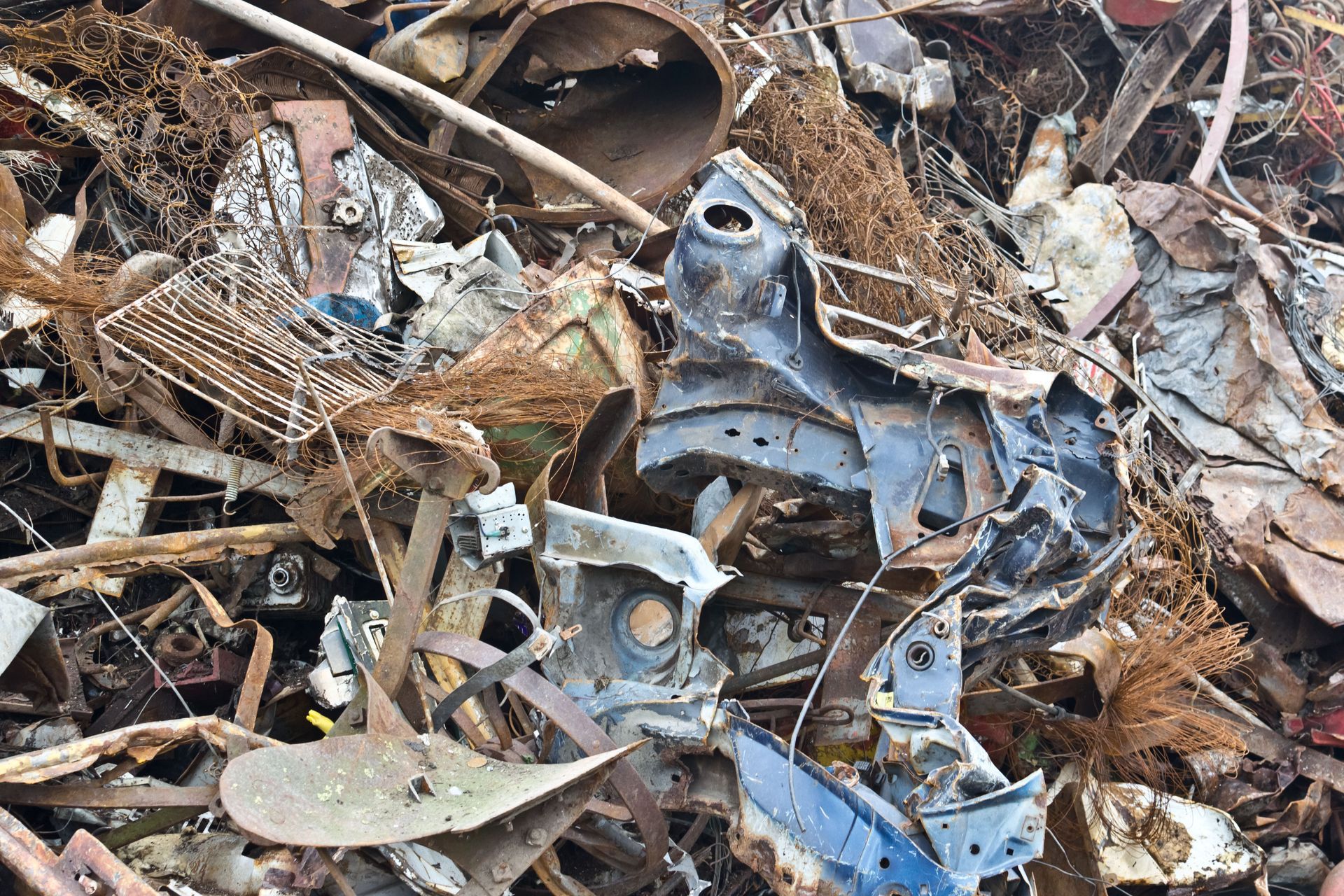
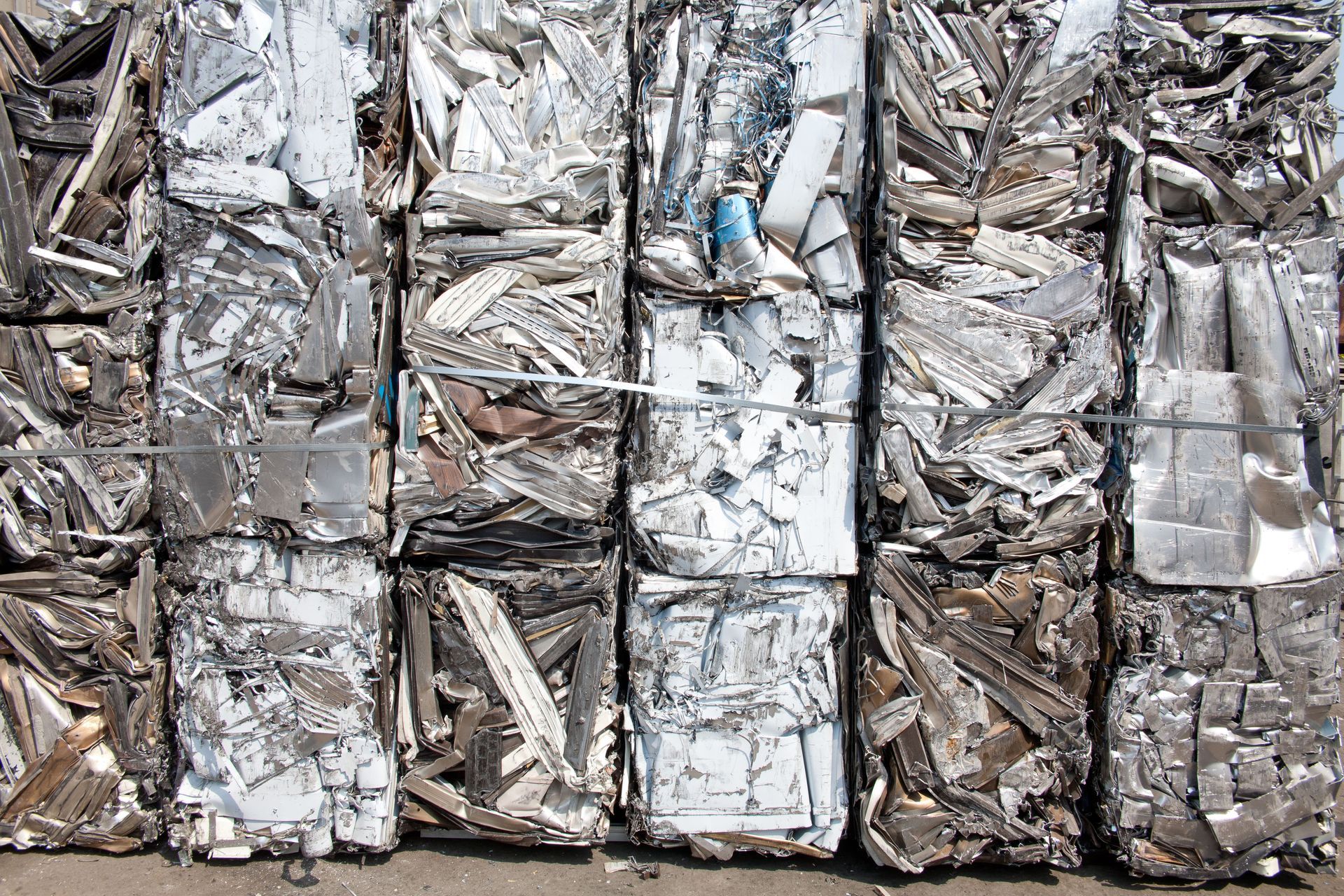
Unlike paper or plastic, metals are unique in that they can be recycled an infinite number of times without losing their structural integrity or purity. This makes metal recycling one of the most economically viable and environmentally impactful sectors of the waste industry. Aluminum cans, in particular, are the "gold standard" of the circular economy, often returning to store shelves as new cans in as little as 60 days after being tossed into a bin.
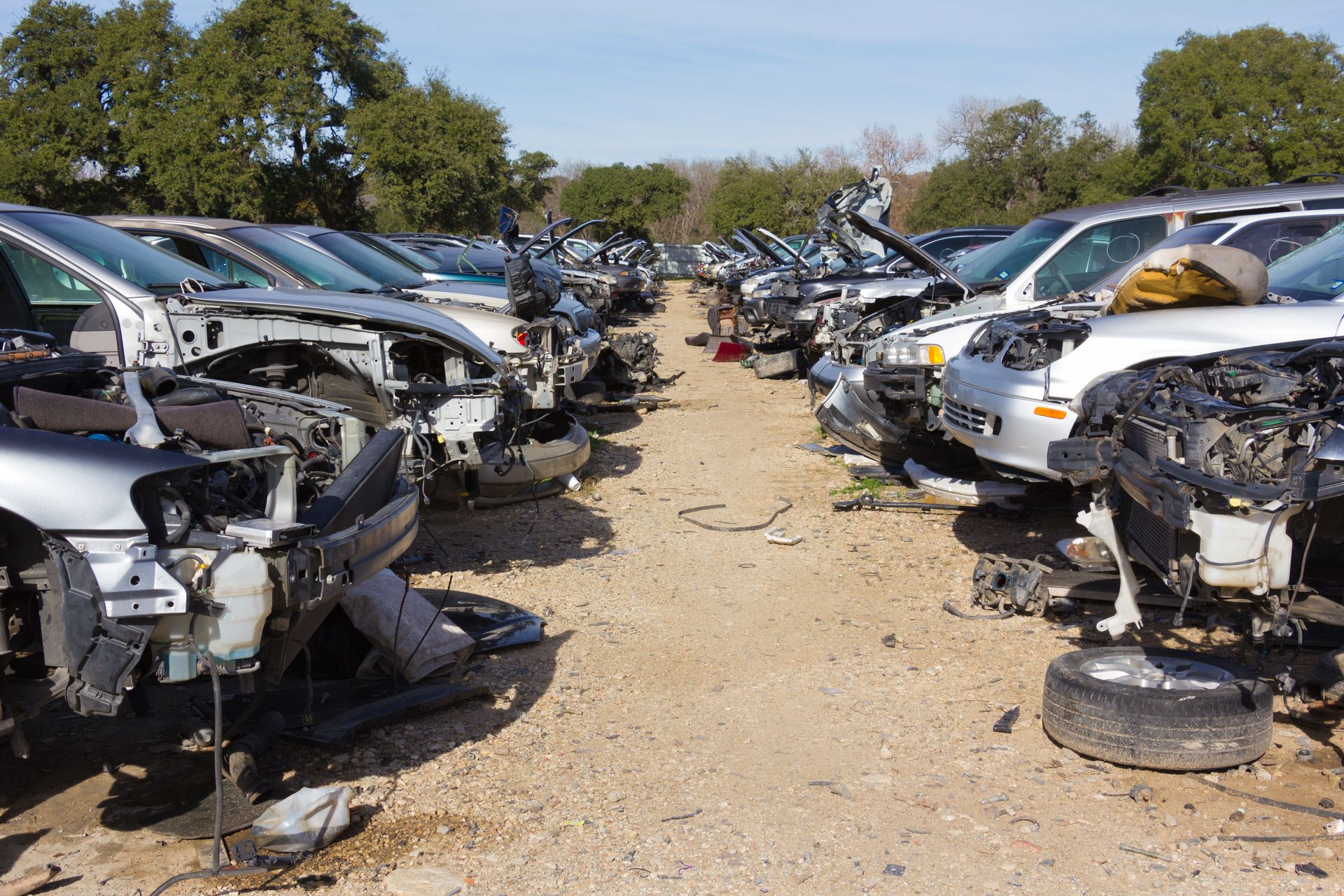
The energy savings associated with metal recycling are astronomical compared to primary production. For example, creating aluminum from recycled scrap requires 95% less energy than mining and refining bauxite ore. Steel is equally impressive; it is the most recycled material on the planet, with specialized magnetic separators making it easy for facilities to pull scrap steel from a mixed waste stream. By prioritizing metal recycling in our daily routines, we directly contribute to a massive reduction in industrial greenhouse gas emissions and resource depletion.
Understanding the Lifecycle of Glass
Glass is another 100% recyclable material that maintains its quality regardless of how many times it is melted and reformed. Using "cullet," or crushed recycled glass, in the manufacturing of new bottles lowers the furnace temperature required, which extends the life of the equipment and saves significant energy. However, the weight of glass makes it expensive to transport, meaning the success of glass recovery often depends on the proximity of the recycling plant to the collection center.
A common issue in glass recovery is "color mixing." To be turned back into clear containers, the glass must be sorted into clear, amber, and green streams. If different colors are crushed together, the resulting mixture is usually downgraded for use in construction aggregates or fiberglass insulation. While it is theoretically possible to recycle every glass jar we use, the logistical hurdles of weight and color separation mean that a portion of our glass still ends up as "daily cover" in landfills rather than new containers.
Identifying Barriers in Electronic Waste
Electronic waste, or e-waste, represents the fastest-growing waste stream in the world and contains a complex mixture of hazardous materials and precious resources. While your old smartphone contains gold, silver, and copper, it also contains lead, mercury, and cadmium that can leach into groundwater if buried in a landfill. Because of this complexity, e-waste cannot be placed in standard curbside bins and requires specialized handling to safely extract valuable components.
The process of recovering these materials is labor-intensive and requires high-tech facilities. Effective metal recycling programs for electronics focus on "urban mining," where rare earth minerals are extracted from circuit boards to be reused in new technology. This reduces the need for destructive mining practices in sensitive ecosystems. As consumers, our role is to ensure that dead batteries and obsolete gadgets are taken to certified e-waste recyclers who can properly manage these multi-material devices.
Assessing the Impact of Organic Waste
Food scraps and yard trimmings make up nearly 30% of what Americans throw away, yet these materials are highly "recyclable" through composting. When organic matter is trapped in a landfill, it decomposes anaerobically (without oxygen) and produces methane, a potent greenhouse gas. By diverting this waste to composting facilities, we can transform it into nutrient-rich soil amendments that improve garden health and sequester carbon.
While large-scale municipal composting is growing in popularity, many residents still lack access to a third bin for organics. In these cases, home composting or community garden drop-offs are the best alternatives. Reducing daily waste is not just about what we put in the blue bin; it is about recognizing that "waste" is often just a resource in the wrong place. Moving organic material out of the trash stream is one of the most effective ways to shrink an individual's environmental footprint.
Addressing the Problem of Multi-Material Packaging
One of the greatest challenges to modern recycling is the rise of multi-material packaging, such as juice cartons (Tetra Paks) or plastic-lined mailers. These items are designed for convenience and shelf-life, but they are incredibly difficult to separate into their constituent parts. A single juice box may contain layers of paper, plastic, and aluminum, requiring specialized hydro-pulping equipment that many local facilities simply do not have.
This "hybrid" waste often ends up in the landfill despite the consumer's best intentions. To combat this, many brands are beginning to move toward mono-material designs that are easier for existing machinery to process. Until then, the burden remains on the consumer to check local guidelines to see if their specific facility can handle these complex items.
While the global waste crisis is daunting, the potential for recovery is higher than ever before as technology improves. By understanding the specific needs of different materials and supporting robust systems for metal recycling and composting, we can turn our support for the environment into tangible results. If you want to learn more about recycling services, contact Mack's Twin City Recycling today to get started!