7 Common Materials Accepted by a Copper Recycling Company
May 21, 2026
Recycling has become an important part of how businesses and homeowners manage waste while supporting sustainability efforts. Copper remains one of the most valuable metals in the recycling industry because of its durability, conductivity, and ability to be reused without losing quality. Many people are surprised to learn how many common items contain copper and can be brought to a copper recycling company for processing. From household appliances to construction materials, copper appears in countless products used every day.
The growing interest in recycling has encouraged more people to search for practical ways to reduce waste. According to Waste Dive, 77% of Americans say they recycle, although only 32% of all materials in the US actually get recycled. This gap highlights the importance of helping consumers better understand which materials can be reused and where they should be taken. A professional copper recycling company can help identify acceptable materials while ensuring they are processed responsibly.
Understanding which copper-containing items are commonly accepted can help individuals and businesses make informed decisions about disposal and recycling opportunities. Many materials that may otherwise end up discarded still hold significant value when recycled properly. Learning about these materials also encourages better waste management habits while supporting environmental conservation.
1. Copper Wiring
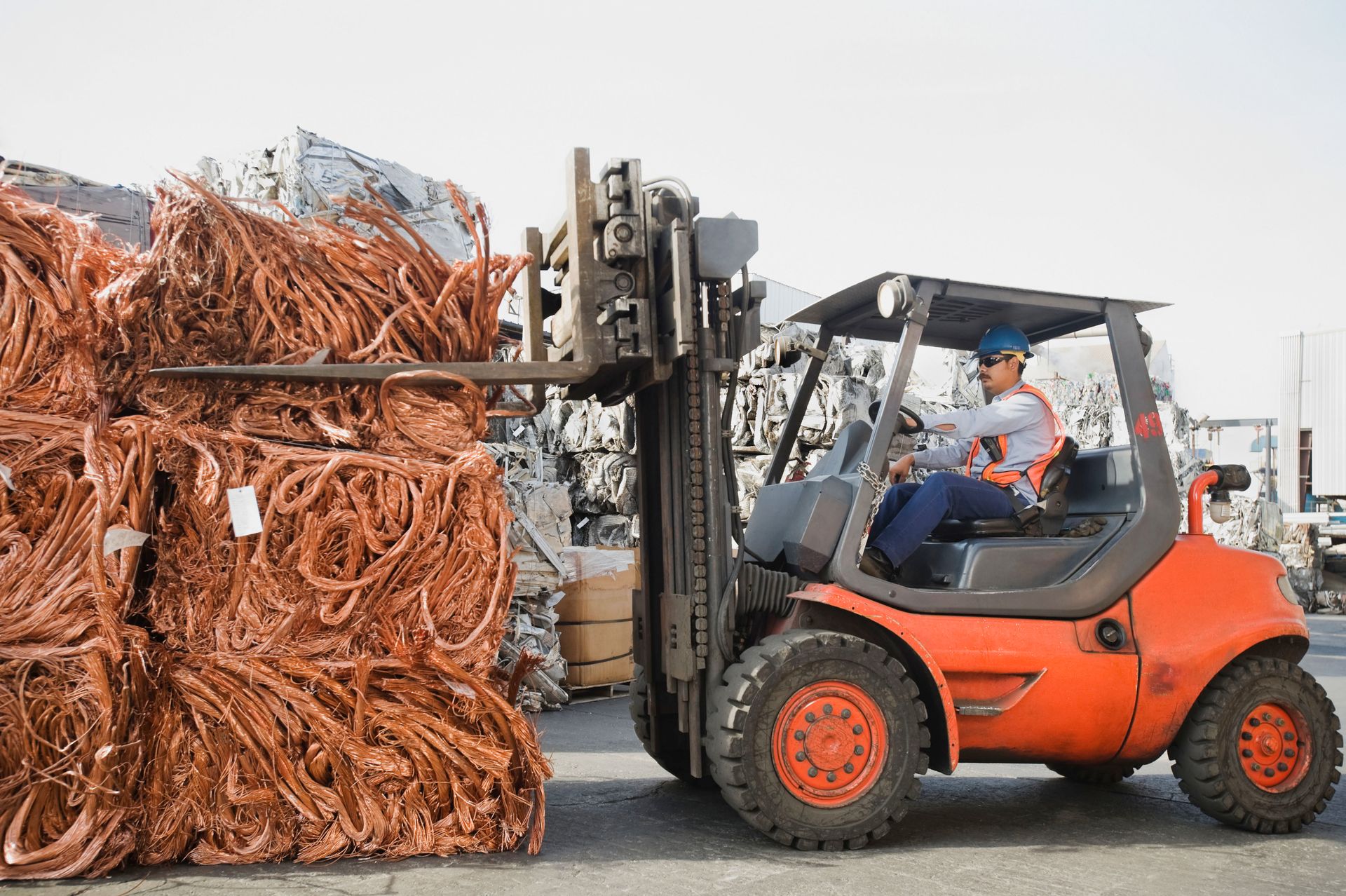
Copper wiring is one of the most common materials accepted by a copper recycling company. Because copper is highly conductive, it is widely used in residential, commercial, and industrial electrical systems. Old wiring removed during renovations, upgrades, or demolitions often contains recyclable copper that can be processed and reused in future manufacturing.
Electrical contractors frequently accumulate large quantities of copper wiring from outdated systems or replacement projects. Homeowners may also discover excess wire during remodeling efforts or appliance replacements. Instead of disposing of these materials, recycling them helps reduce unnecessary waste while recovering valuable metal.
Many recycling facilities accept insulated and stripped copper wiring. The condition and cleanliness of the wire may influence the recycling process, but both forms are commonly accepted. Recycling copper wiring also helps reduce the need for newly mined copper, which supports more sustainable manufacturing practices.
2. Copper Pipes
Copper pipes are another material regularly accepted by a copper recycling company. Plumbing systems often rely on copper because of its resistance to corrosion and long-lasting performance. During plumbing repairs, property renovations, or building upgrades, large amounts of copper piping may become available for recycling.
Older homes and commercial buildings frequently contain copper plumbing that can be removed and recycled when systems are updated. Even damaged or outdated pipes still retain value because the copper itself can be melted down and repurposed into new products. This makes recycling an attractive option for contractors and property owners alike.
Copper pipes may come from water supply lines, heating systems, or refrigeration components. Recycling facilities can typically process pipes of various sizes and conditions. By recycling these materials instead of sending them to landfills, individuals contribute to a more efficient use of natural resources.
3. Household Appliances
Many household appliances contain copper components that a copper recycling company can process. Refrigerators, washing machines, dryers, dishwashers, and air conditioning units often include copper wiring, coils, and motors. Even smaller appliances may contain recyclable copper parts.
When appliances stop functioning or are replaced with newer models, recycling becomes a practical way to recover useful materials. Professional recycling companies separate copper from other metals and components to ensure proper processing. This helps reduce landfill waste while recovering valuable resources that can be reused in manufacturing.
Businesses involved in appliance replacement or property management may generate substantial amounts of recyclable appliances over time. Instead of discarding old units, sending them to a recycling facility supports both environmental goals and material recovery efforts. Recycling appliances also helps prevent potentially harmful materials from entering the waste stream.
4. Copper Roofing Materials
Copper roofing materials are often accepted by a copper recycling company because of their high value and durability. Copper is commonly used in flashing, gutters, downspouts, and decorative roofing features. During renovations or roof replacements, these materials may become available for recycling.
Architectural copper remains popular because of its appearance and resistance to weather-related damage. Even after years of exposure, copper roofing materials often remain recyclable and valuable. Contractors working on commercial buildings, historic restorations, or residential projects may accumulate reusable copper materials during construction work.
Recycling copper roofing products helps reduce waste associated with renovation projects while allowing the metal to be reused in future applications. Because copper can be recycled repeatedly without losing quality, these materials continue to serve an important role in sustainable building practices.
5. Electronic Equipment
Electronic equipment contains many copper components that can be accepted by a copper recycling company. Computers, televisions, communication devices, and various electronic systems rely on copper wiring and circuitry to function effectively. As technology evolves, outdated electronics create opportunities for responsible recycling.
Electronic waste continues to grow as consumers and businesses replace devices more frequently. Recycling copper from electronics helps recover useful materials while reducing the environmental impact of discarded equipment. Professional recycling facilities carefully separate copper and other recyclable metals from electronic components for proper processing.
Businesses upgrading office systems or replacing communication equipment often generate large quantities of recyclable electronic waste. Recycling these materials supports responsible disposal practices while helping valuable metals return to the manufacturing cycle. This approach also helps reduce the demand for raw material extraction.
6. Industrial Machinery Components
Industrial machinery often contains significant amounts of copper that a copper recycling company can process. Motors, generators, transformers, and manufacturing equipment frequently rely on copper for electrical conductivity and operational efficiency. When industrial equipment becomes outdated or damaged, recycling these components helps recover valuable materials.
Manufacturing facilities, construction companies, and industrial operations regularly replace machinery as part of maintenance or modernization efforts. Rather than allowing old equipment to sit unused or enter landfills, recycling provides an environmentally responsible alternative. Copper recovered from industrial machinery can be reused in a variety of future products and applications.
Large equipment components may contain copper coils, wiring, or internal electrical systems that hold considerable recycling value. Professional recycling companies have the expertise and equipment needed to process these materials safely and efficiently. This allows businesses to manage industrial waste more responsibly while supporting sustainability initiatives.
7. Automotive Parts
Automotive parts are another common category accepted by a copper recycling company. Many vehicles contain copper in wiring harnesses, radiators, starters, alternators, and electrical systems. As vehicles age or become damaged, these components often remain valuable because of the copper they contain.
Auto repair shops, salvage yards, and fleet operators frequently accumulate recyclable copper materials through repairs and vehicle replacements. Recycling these parts helps reduce waste while allowing the copper to be reused in future manufacturing applications. Even smaller vehicle components may contain copper that can be recovered and processed responsibly.
Professional recycling facilities are equipped to separate copper from other automotive materials efficiently. This process helps ensure that valuable metals remain in circulation instead of being discarded. Recycling automotive copper components also supports more sustainable practices within both the automotive and recycling industries.
Copper recycling plays an important role in reducing waste, conserving resources, and supporting environmentally responsible practices. Many common materials, including wiring, pipes, appliances, roofing materials, electronics, and industrial machinery, contain valuable copper that can be reused through professional recycling services. Understanding which materials are commonly accepted helps individuals and businesses make smarter decisions about disposal and resource management.
Working with a professional copper recycling company ensures these materials are processed responsibly and efficiently. Whether clearing out outdated equipment, completing renovations, or managing industrial waste, recycling copper creates benefits that extend beyond simple waste reduction. At Mack’s Twin City Recycling, we are committed to helping our customers recycle valuable copper materials while supporting cleaner and more sustainable communities.