How Steel Recycling Is Transforming the Construction Industry
May 12, 2026
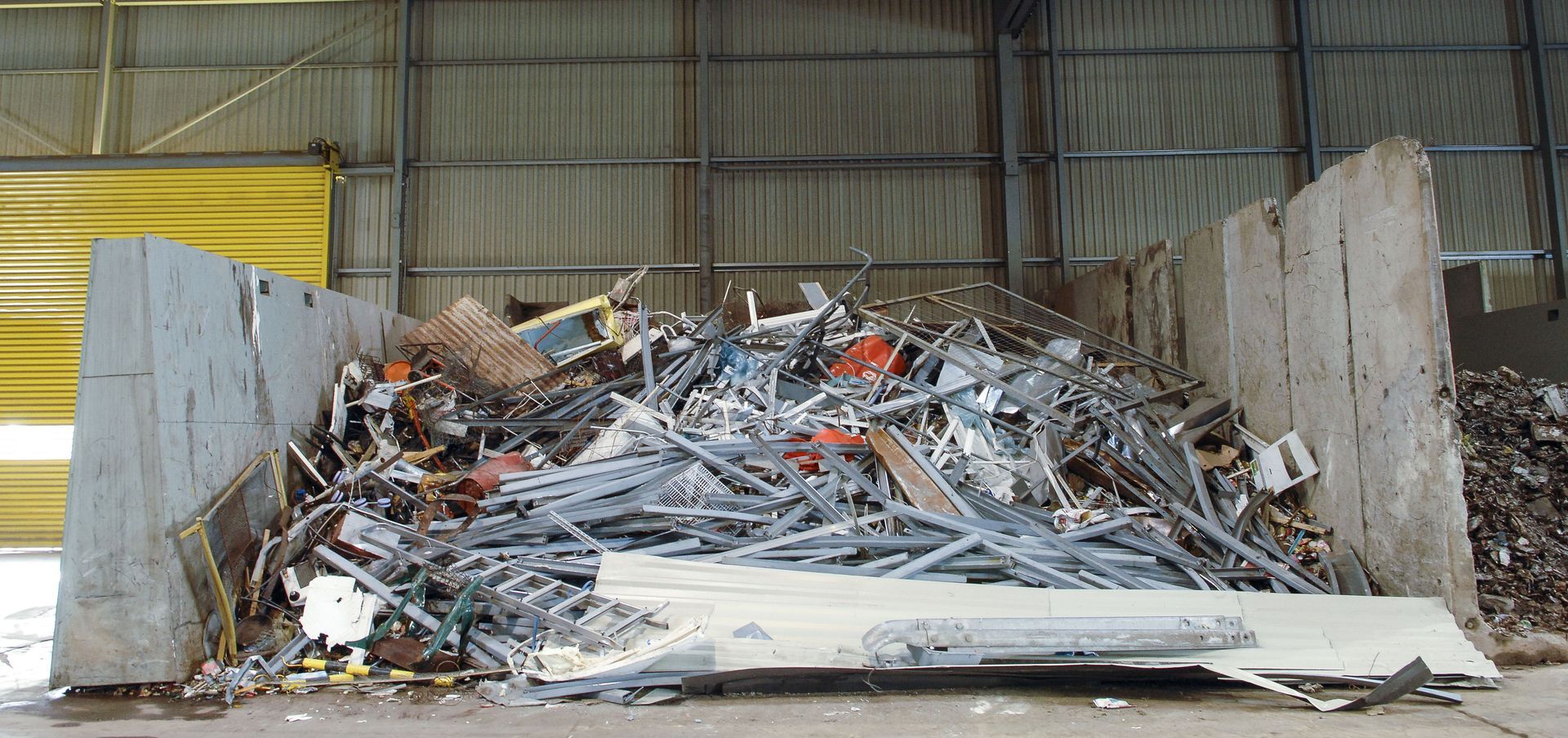
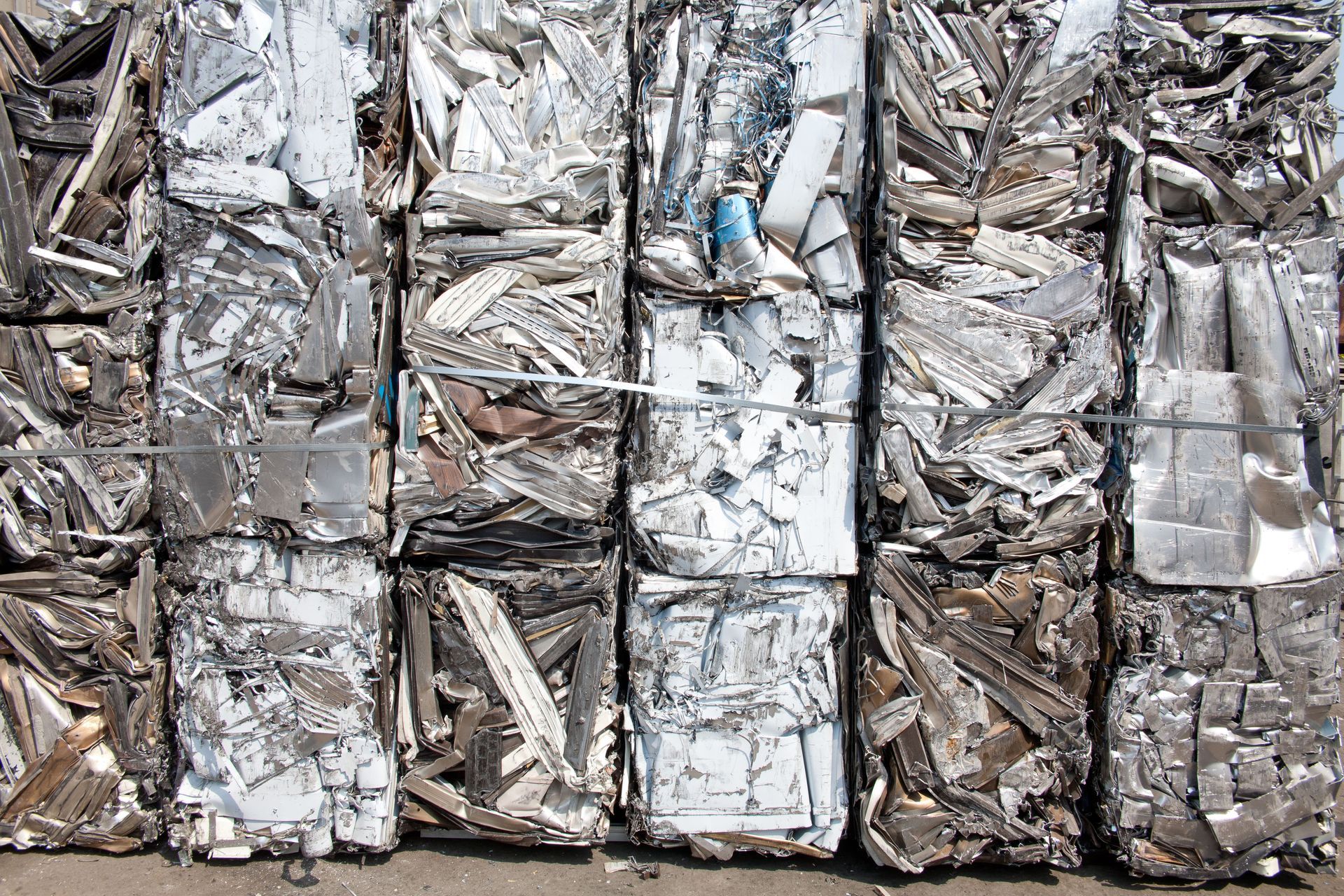
The construction industry has long been under scrutiny for its environmental impact and resource-intensive practices. Sustainability has become a pivotal focus in recent years, driving significant changes in how materials are sourced and utilized. Among these initiatives, steel recycling presents a valuable opportunity to align construction practices with environmental sustainability goals. By transitioning to recycled steel, the construction industry can reduce its dependency on primary natural resources and minimize its carbon footprint. This article explores the transformative advantages of steel recycling and its role as a cornerstone of modern construction strategies.
The Environmental Impact of Steel Recycling
Reduction of Carbon Footprint
Steel recycling helps in substantially reducing the carbon footprint of construction projects. Recycled steel requires considerably less energy to process compared to the production of new steel from raw materials. This reduction in energy consumption translates into fewer carbon emissions, aligning with the global demand for environmentally friendly construction practices. Moreover, using recycled steel also contributes to mitigating the adverse effects of extractive industries. By relying on recycled steel, the industry makes significant strides toward reducing its carbon emissions, thus playing a critical role in combating climate change.
The life cycle analysis of recycled steel in construction shows a significant decrease in the emission of greenhouse gases. When steel scrap is reprocessed, it bypasses several energy-intensive steps such as ore mining, drastically cutting emissions. This process not only helps in the reduction of air pollution but also advances the industry's commitment to sustainable practices. By fulfilling this goal, the construction industry aids in lowering the overall atmospheric carbon concentration. The impact is widespread and sets a precedent for other sectors to incorporate more sustainable and responsible practices.
Moreover, according to WasteMission, steel recycling processes more than 650 million tonnes globally each year. This staggering quantity underscores the potential for substantial reductions in carbon emissions on a global scale. The shift to recycled steel not only addresses climate concerns but also enhances the ecological balance by preserving green spaces and biodiversity. By using recycled steel, the construction industry contributes to decreased reliance on fossil fuels, thus facilitating a healthier planet for future generations. Such a wide-scale adoption of recycled materials marks a step towards responsible resource stewardship.
Conservation of Natural Resources
Utilizing recycled steel is instrumental in conserving non-renewable resources, primarily iron ore. This conservation is pivotal, as it reduces the need for intensive ore extraction processes, which are both environmentally damaging and resource-depleting. By using steel that has already been produced and discarded, the lifecycle of the material is extended, maximizing its utility and reducing the demand on natural resources. This resourcefulness propagates a circular economy where materials are continually reused rather than discarded.
Beyond just preserving iron ore, recycling steel also leads to a decrease in the need for coal, which is used extensively in ore refining processes. This dual saving effect underscores recycling's capacity to alleviate the strain on numerous natural reserves. The adoption of recycled steel across the construction industry can radically transform production practices to be less invasive and more resource-conscious. It’s a practice that not only supports environmental sustainability but also ensures resource availability for future generations. The holistic benefits highlight recycling as a key player in responsible resource management.
Energy Savings
Energy savings represent one of the most notable benefits of steel recycling. The production of new steel involves energy-intensive processes, including the smelting of iron ore and coal combustion, whereas recycled steel requires significantly lower energy inputs. This stark contrast has driven up the appeal of recycled steel within energy-conscious construction practices. Reducing energy demand also lowers operational costs and promotes economic sustainability. By prioritizing recycled materials, the construction industry can cut energy bills and enhance its ecological footprint simultaneously.
The widespread adoption of steel recycling correlates directly with impressive reductions in industrial energy consumption. Such energy savings are crucial in a time when energy resources are pressured under growing demand and environmental considerations. The industry is empowered to reinvest saved energy into other facets of its operations to improve efficiency. These practices illustrate why recycling represents not just a green choice, but a fiscally prudent and operationally wise decision as well.
Economic Benefits of Steel Recycling
Cost Savings for Construction Projects
Economically, recycling steel can lead to substantial cost savings for construction projects worldwide. The reduced energy and resource demands of recycled steel contribute to direct financial benefits during procurement. Recycled steel generally comes at a lower price point compared to manufactured steel due to its material savings. This cost efficiency enables construction firms to allocate their budget more strategically across projects. In fluctuating markets, recycled materials provide a stable pricing advantage, safeguarding projects from unexpected financial pressures.
By integrating recycled steel, builders can reduce installation and processing expenses dramatically. Recycled steel is more cost-effective not only due to the lower resource input but also because of reduced transport logistics. Its reliable supply chain further adds to managing operational costs smoothly, ensuring that no phase of construction is subjected to financial unpredictability. Moreover, cost savings allow companies to invest in additional sustainable or innovative technologies, expanding their potential for green development, ultimately adding strategic value to their portfolio.
Job Creation and Economic Growth
Recycling industries are vital contributors to job creation and economic growth. Integrating steel recycling into the construction industry opens new avenues for employment in recycling facilities, processing units, and transport logistics. Each segment requires specialized knowledge and skills, promoting significant workforce development. The increase in employment opportunities contributes to stimulating economic growth by fostering local economies and investing in community resilience. Recycling initiatives thus serve as important vectors for enhancing economic revitalization.
By increasing demand for skilled labor in recycling processes, the industry can create well-paying jobs that emphasize sustainable practices. These jobs encourage people to engage with environmentally friendly technologies and methodologies—developing a more informed, eco-conscious workforce. The widespread adoption of recycling practices further leads to the establishment of new businesses and partnerships. This triggers a synergic cycle of economic growth that not only supports innovation but also yields tax revenues that can be reinvested in further community and environmental initiatives.
Market Demand for Recycled Materials
The market demand for recycled materials has experienced a significant uptick as sustainability practices gain global prominence. Recycled steel, with its favorable environmental profile, aligns with market needs and the forecasted growth trajectory in green construction materials. This demand is fueled by regulatory standards requiring eco-friendly practices and consumer preferences privileging sustainable choices. Companies prioritizing recycled steel find themselves well-positioned within a competitive market, able to cater to customers' evolving expectations.
Recycled materials offer not just environmental benefits but also align with industry trends emphasizing lively market diversification. Integrating recycled steel effectively in construction missions reflects a savvy understanding of emerging market dynamics. By adapting to such trends, construction companies harness competitive advantages, distinguishing themselves and promoting brand value associated with sustainable practices. The rising demand attests to recycled steel’s efficacy in meeting contemporary construction challenges and aligns construction goals with sustainable development.
The transition toward steel recycling is no longer a peripheral environmental trend; it is a fundamental shift in the architecture of modern construction. By embracing the circular lifecycle of steel, the industry addresses the dual challenges of ecological preservation and economic efficiency. The substantial reductions in carbon emissions and energy consumption, paired with the conservation of vital natural reserves like iron ore and coal, provide a clear roadmap for meeting global climate targets.
Beyond the environmental impact, the integration of steel recycling serves as a powerful economic engine. It offers construction firms a buffer against fluctuating material costs while simultaneously stimulating job creation and fostering a specialized, green-conscious workforce. As regulatory pressures and market demands for sustainable infrastructure continue to intensify, recycled steel stands out as a high-performance, cost-effective, and responsible solution. Ultimately, prioritizing recycled materials ensures that the buildings of tomorrow are not only structural achievements but also enduring symbols of environmental stewardship and resource resilience. If you want to help join the cause for sustainable construction, reach out to Mack's Twin City Recycling today.