What to Expect When Working With Professional Metal Recyclers
April 17, 2026
Working with professional metal recyclers offers significant importance within the realm of environmental conservation and economic sustainability. Metal recycling plays a crucial role in reducing waste, conserving natural resources, and minimizing the environmental footprint of manufacturing industries. By adhering to industry standards, professional recyclers ensure that metals are efficiently processed and reused, thereby contributing to a sustainable economy.
Professional metal recyclers have the expertise and equipment necessary to handle and process large quantities of scrap metal. They ensure compliance with environmental regulations, providing a reliable solution for companies looking to responsibly manage their metal waste. As the global demand for sustainable practices increases, the importance of professional recyclers continues to grow.
Understanding Metal Recycling's Importance
Metal recycling is crucial for environmental sustainability and efficient resource management. It significantly reduces the need for extraction and processing of virgin raw materials, which are resource-intensive activities that have a considerable environmental impact. By recycling metals, we can not only conserve natural resources like ore but also reduce energy consumption and pollution.
Recycling metals like aluminum offers substantial energy savings, which has a direct impact on reducing greenhouse gas emissions. According to The Aluminum Association, recycling every aluminum can that ends up in America's landfills each year could save about $1.2 billion and generate enough energy to power over two million homes for a whole year. This highlights the importance of recycling in achieving environmental goals and reducing reliance on fossil fuels.
Moreover, metal recycling supports the end-of-life product management strategies, helping industries comply with waste regulations and environmental standards. Recycled metals are reintroduced into the production chain, providing manufacturers with cost-effective and sustainable materials. As awareness of environmental issues grows, metal recycling offers a clear path towards more sustainable industrial operations.
Identifying Key Players in the Recycling Process
Various stakeholders are involved in the metal recycling process, each playing a critical role in ensuring the effective recovery and reuse of scrap metals. Scrap collectors and aggregators are responsible for gathering waste materials from businesses, individuals, and waste management centers. Their role is crucial as they provide the necessary input materials for the recycling cycle.
Next, metal recyclers and processors utilize advanced machinery to sort, cleanse, and process these materials into forms usable by manufacturers. These entities ensure that quality standards are met and materials are appropriately labeled and segregated according to type. These operations require a combination of technological expertise and adherence to environmental regulations.
Finally, manufacturers complete the cycle by incorporating recycled metals into their products, reducing the demand for virgin raw materials. This collaboration between stakeholders results in a more sustainable production cycle, economic savings, and reduced environmental impact. Collectively, these key players contribute significantly to the efficiency and effectiveness of metal recycling.
Renewing the Lifecycle of Metals
The lifecycle of recycled metals begins with the collection of scrap materials, which are then sorted and cleaned to remove impurities. These processed materials are then transported to recycling facilities, where they undergo further processing. Metals are melted down in furnaces and cast into new shapes, ready to be used in manufacturing.
After processing, the recycled metals are distributed to manufacturers who incorporate them into new products. This stage closes the loop, where recycled materials replace the need for newly mined metals. This cycle of recovery and reuse can be repeated indefinitely, reducing the burden on natural resources and decreasing environmental impact.
The use of recycled metals contributes to a circular economy and aligns with long-term sustainability goals. Manufacturers benefit from cost savings and a reduced carbon footprint, while consumers gain access to products that support environmentally friendly practices. The lifecycle of recycled metals exemplifies the synergy between economic efficiency and environmental stewardship.
Facilitating Collection and Transport of Materials
The process of metal recycling begins with the collection and transport of scrap materials from various sources, such as industrial facilities, residential areas, and demolition sites. Efficient collection systems ensure that valuable metals are retrieved, reducing waste and preventing environmental pollution. This stage requires coordinating logistics to handle large volumes of material across diverse locations.
Transporting the collected metals to recycling facilities involves careful planning to optimize routes and minimize energy consumption. Specialized vehicles equipped for heavy loads often assist with the safe and efficient movement of these materials. Maintaining high standards in collection and transport logistics is crucial to maintaining the integrity and quality of the scrap materials for subsequent processing.
Many metal recyclers use advanced tracking and data systems to streamline collection and transport operations, ensuring timely and accurate deliveries. Well-organized logistics contribute to reduced environmental impact and cost savings, solidifying the vital role of proficient collection and transport processes in the broader recycling ecosystem. Consistent improvements in these areas bolster the overall efficiency and sustainability of metal recycling operations.
Sorting and Categorizing Metals
Sorting and categorizing metals is a crucial step in the recycling process that determines the quality and usefulness of the final recycled product. Different metals must be meticulously separated based on properties such as magnetic susceptibility, density, and conductivity. Implementing accurate sorting techniques helps ensure that metals are properly classified, minimizing contamination and maximizing recovery.
Advancements in technology have introduced automated sorting systems featuring sensors and algorithms that enhance precision and efficiency. Traditional methods, like manual sorting and magnet-based techniques, are now often used in conjunction with these technological advancements to achieve optimal results. Proper sorting and categorization uphold quality control standards and enhance the value of recycled materials.
Effective sorting allows recycled metals to meet industry specifications and standards, facilitating smoother integration into manufacturing processes. This stage is complemented by thorough training for workers to accurately handle and distinguish various materials. Rigorous sorting practices are fundamental to achieving the sustainability goals and economic benefits that metal recycling promises.
Processing and Melting Procedures
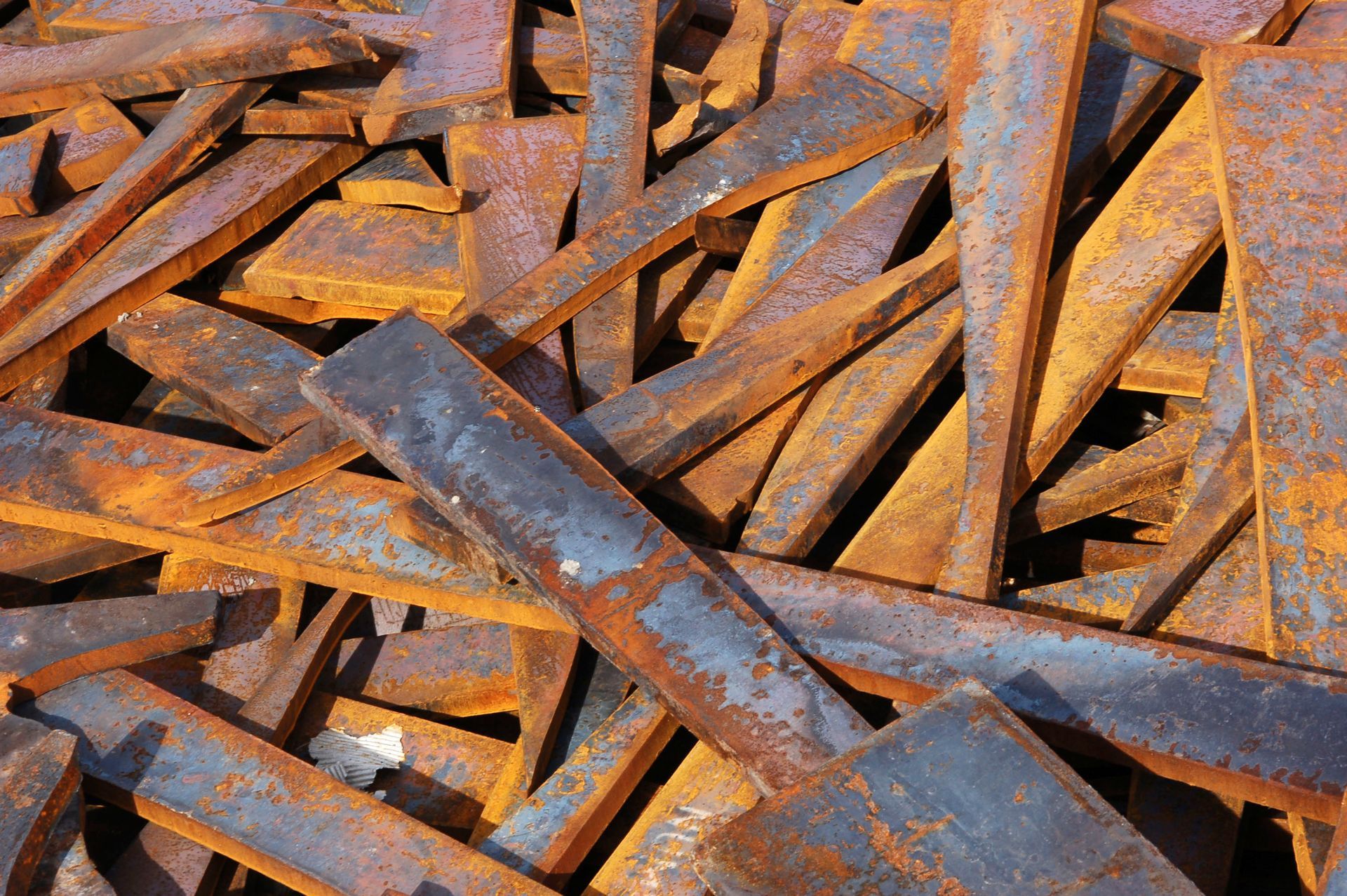
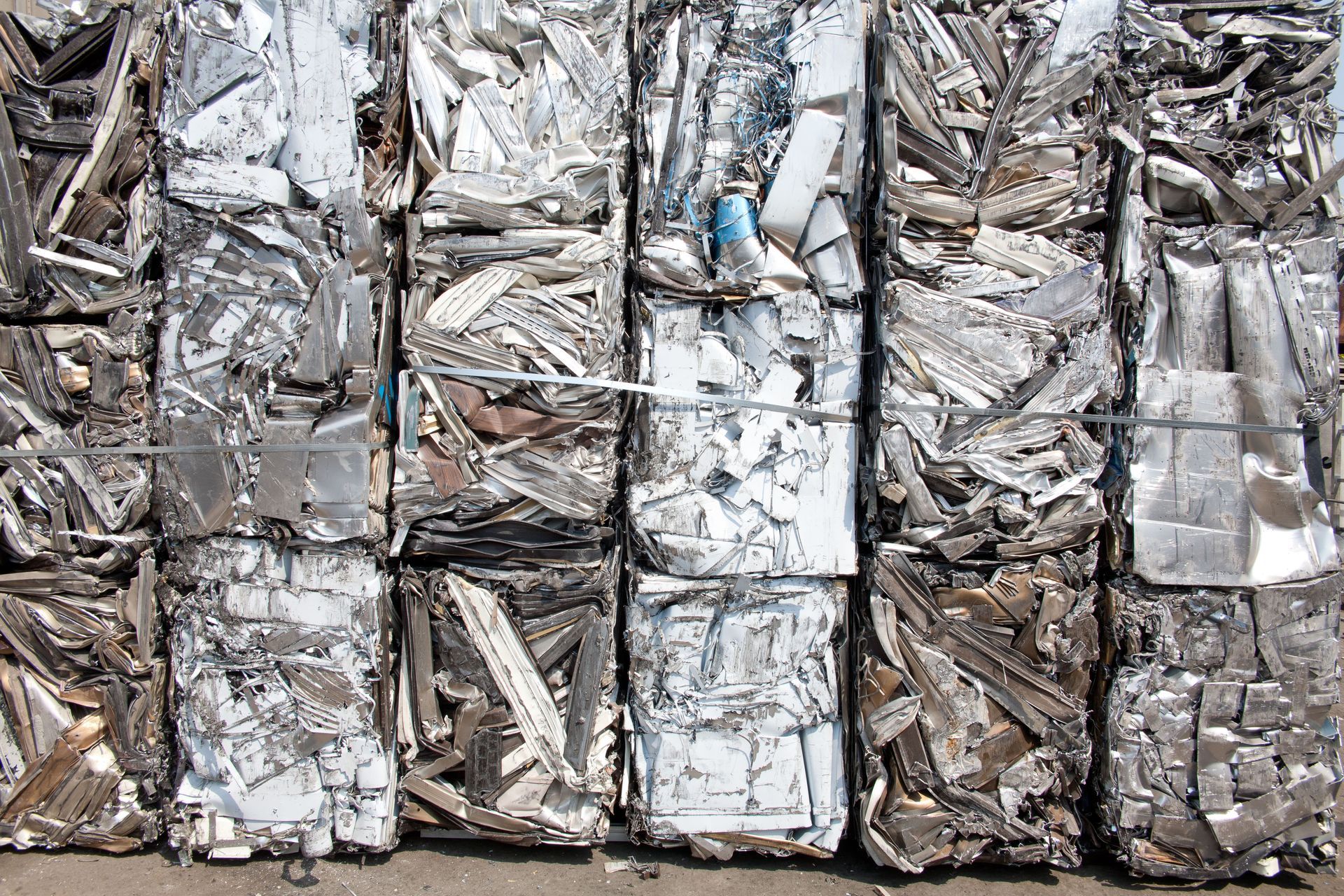
Processing and melting of metals are central stages in recycling, where scrap materials are transformed into reusable formats. Initial processing involves shredding or compressing materials to reduce their size and facilitate further treatment. This phase often includes chemical treatments and additional sorting to remove residual impurities.
The melting process follows, where metals are heated to high temperatures in specialized furnaces, allowing them to be molded into new shapes. Various types of furnaces, such as electric arc or induction furnaces, are deployed depending on the type of metal and desired output quality. Throughout melting, close monitoring and control are necessary to ensure product consistency and minimize energy use.
Utilizing state-of-the-art technologies in melting procedures results in higher efficiency and reduced emissions. By producing high-purity recycled metals, metal recyclers meet strict quality and sustainability standards. The refinement of processing and melting techniques continues to push the boundaries of what is achievable in metal recycling, addressing environmental and economic imperatives.
Professional metal recycling is a cornerstone of both environmental responsibility and economic efficiency. From collection and sorting to processing and melting, each stage of the recycling process maximizes the recovery of valuable metals while minimizing waste and energy consumption. By ensuring compliance with environmental standards and leveraging advanced technologies, professional metal recyclers help industries reduce reliance on virgin materials, lower greenhouse gas emissions, and support a circular economy. As demand for sustainable practices continues to rise, the expertise and capabilities of these recyclers will remain essential in creating a cleaner, more resource-efficient future. If you're looking for reliable metal recyclers to work with, look no further than Mack's Twin City Recycling!