Which Materials Are Actually 100% Recyclable?
March 30, 2026
Recycling has become an essential practice for achieving sustainability and safeguarding the environment. Understanding which materials are genuinely 100% recyclable allows us to hone in on effective strategies and policies that promote complete material reuse without degradation. In this article, we will explore various materials and analyze their true recyclability, ensuring we focus on sustainable practices for future generations.
How to Understand Recyclability
Definition of Recyclability
Recyclability refers to the degree to which a material can be recovered or reintegrated into the production cycle without deterioration. It's crucial for moving toward a circular economy, where materials are used perpetually, reducing the need for new material extraction. Each material possesses unique attributes that define how easily it can be reprocessed and reused. The level of recyclability is largely determined by a material's chemical and physical properties, which dictate the complexity of its recycling process. True recyclability implies that a material can retain its original quality indefinitely.
Recyclability vs. Sustainability
While recyclability and sustainability are often conflated, they represent different aspects of environmental conservation. Recyclability focuses on the material's life cycle after use, while sustainability encompasses the broad environmental impact of sourcing, usage, and disposal. A material can be recyclable but not sustainable if its production or recycling process is energy-intensive or environmentally destructive. Understanding this nuance is vital if one aims to genuinely mitigate environmental harm. Therefore, the pursuit of sustainability must include, but not be limited to, enhancing recyclability rates.
The Importance of Recycling Rates
Recycling rates indicate the efficiency and effectiveness of recycling systems in a given location. High rates reflect robust infrastructure, public participation, and efficient processing technologies. However, even materials that are technically 100% recyclable may face low recycling rates due to logistical, economic, or behavioral barriers. Therefore, recycling rates are vital metrics in assessing the success of recycling initiatives. Improving these rates can significantly influence the effectiveness of sustainability efforts globally.
Metals: The Star Recyclables
Aluminum Recyclability
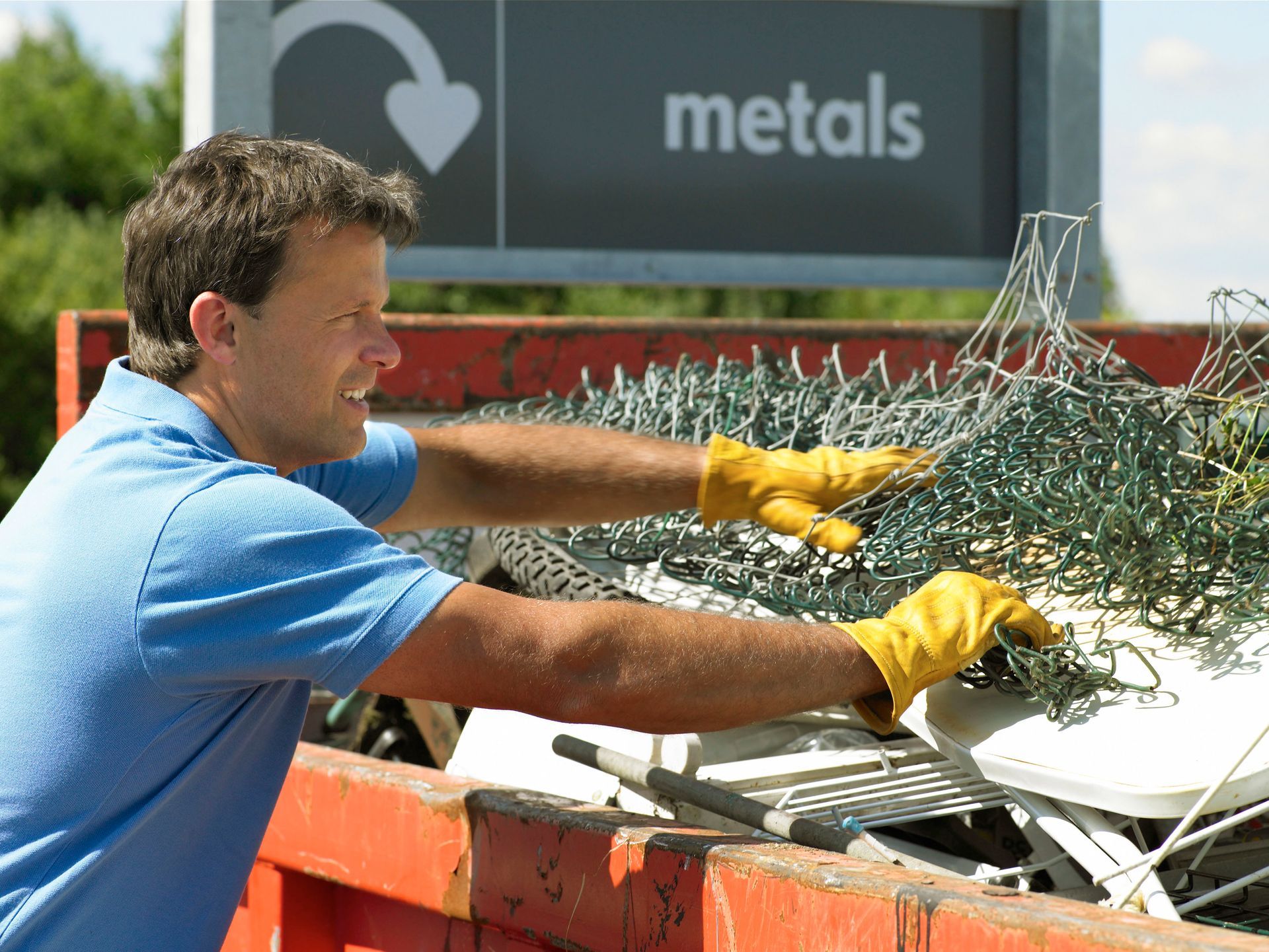
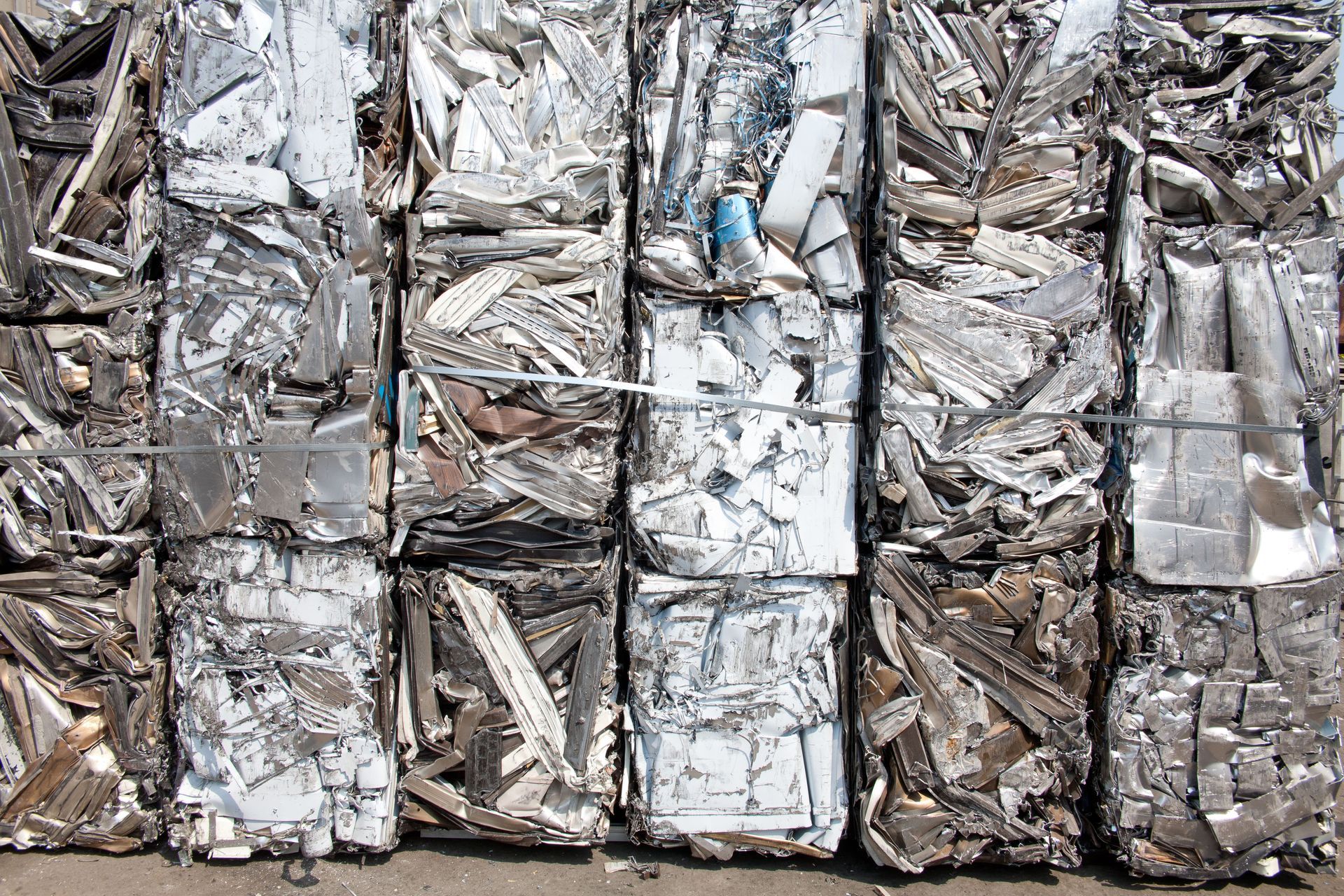
Aluminum is celebrated for its infinite recyclability, making it a star material in recycling narratives. Due to its ability to be recycled repeatedly without losing strength or quality, aluminum ranks high in sustainability indexes. The recycling process for aluminum is also energy efficient. This efficiency not only makes aluminum eco-friendly but also economically viable. Global initiatives and community programs continually strive to maximize aluminum recycling due to these beneficial properties.
Recyclable Properties of Steel
Steel stands out as a highly recyclable material, according to the American Iron and Steel Institute, noting its 100% recyclability. Steel can be recycled into the same material without degradation, contributing immensely to resource conservation. This characteristic allows steel to maintain quality and integrity, making it a cornerstone of modern recycling practices. Additionally, recycled steel significantly reduces the environmental impact associated with mining and processing new materials. Hence, the recycling of steel not only conserves resources but also minimizes environmental footprints, reinforcing its status as an optimal recyclable.
Energy Efficiency in Metal Recycling
The recycling process for metals typically requires less energy than producing new materials from raw ores. This efficiency makes metal recycling a vital component of sustainable industry practices. For instance, recycling steel saves approximately 60-74% of energy compared to new production. The energy savings translate to decreased greenhouse gas emissions, making metal recycling an environmentally responsible practice. Continued advancements in recycling technology aim to further optimize energy efficiency, contributing to broader environmental benefits.
Glass: The Perpetual Recycler
Why Glass is 100% Recyclable
Glass is often touted as a perfect example of a 100% recyclable material, capable of being recycled indefinitely without any loss of quality or purity. This characteristic makes glass one of the most sustainable packaging options available today. During the recycling process, glass can be transformed back into its original form time and again, reducing the need for new raw materials. Furthermore, glass recycling often requires less energy compared to creating new glass from raw materials. While the recycling rate for glass varies by region, its innate recyclability remains a significant environmental advantage.
Closed-loop Systems in Glass Recycling
A closed-loop recycling system for glass ensures that collected materials are processed and used to produce new glass products. This system significantly reduces the demand for raw materials and minimizes waste. In a closed-loop system, post-consumer glass is collected, cleaned, and melted to create new containers, effectively keeping the material in continuous use. Closed-loop recycling reinforces sustainability by maintaining material quality and reducing carbon footprints associated with raw material extraction. Many companies and municipalities are committing to closed-loop systems as a way to enhance environmental performance and efficiency.
Glass Recycling Challenges
Despite its recyclability, glass recycling faces challenges, particularly contamination from non-glass materials. Even minor contaminants such as ceramics or metals can disrupt the recycling process, reducing the quality of recycled glass. Sorting technologies must be precise to ensure that contaminants are minimized, but existing systems can struggle with efficiency and accuracy. The presence of contaminants can increase processing costs and lower recycling rates for glass. Addressing these challenges requires investment in better sorting technologies and public education on proper recycling practices.
Regional Differences in Glass Recycling
Recycling rates and practices for glass vary considerably across regions, influenced by factors like infrastructure and public policies. Some countries, particularly in Europe, have achieved high recycling rates through robust systems and strict regulations, while others lag due to lack of infrastructure or public awareness. Regional disparities highlight the need for adaptable strategies that cater to local contexts while striving for improved outcomes. Sharing best practices and successful policies among regions can help in addressing these disparities. Ultimately, uniform improvement in recycling rates requires global cooperation paired with local adaptations.
Paper: A Recyclable Heavyweight
The Science Behind Paper Recycling
The paper recycling process involves the conversion of used paper products into pulp, which can then be reused to create new paper. This process saves resources and energy since less wood is required, conserving forests and the ecosystems they support. Despite paper's highly recyclable nature, recycling infrastructure and market dynamics complicate the process. Various grades of paper require different recycling methods, necessitating well-managed systems to ensure effectiveness. Understanding the nuances of paper recycling is essential for enhancing its role as a sustainable material.
Limitations in Paper Recycling
While paper is widely recyclable, its limitations arise primarily from the degradation of fibers during the recycling process. Each cycle of reuse shortens paper fibers, eventually rendering the paper non-recyclable. Contaminants such as food residue further complicate the recycling process, necessitating stringent sorting and cleaning measures. Furthermore, certain types of paper products, like those with coatings or adhesives, are more challenging to recycle. Overcoming these limitations involves both technological advancements and improved recycling practices.
Impact of Recycling on Paper Quality
Although paper can go through several recycling cycles, repeated processing affects the quality of the resulting product. The fibers shorten and weaken, often leading to a decline in the strength, texture, and appearance of recycled paper products. This quality degradation requires blending with virgin fibers to maintain acceptable standards for end products. Consequently, achieving sustainability for paper products is as much about improving recyclability as it is about responsible sourcing of new materials. Quality management remains an ongoing challenge in the sphere of paper recycling.
Understanding which materials are truly 100% recyclable empowers more effective sustainability efforts. Metals and glass stand out for their durability and reuse potential, while others face limitations. By improving recycling systems, reducing contamination, and increasing awareness, we can maximize resource efficiency and move closer to a truly circular, environmentally responsible future. Contact Mack's Twin City Recycling for more information.