How You Can Do Better at Recycling for Our Planet
April 17, 2026
Recycling is one of those everyday habits that feels simple, but when done correctly, it makes a real difference for the environment and local communities. Most people already recycle in some form, but many do not realize just how many valuable materials can actually be recovered and reused instead of thrown away.
According to Forbes, in the United States, 94% of residents support recycling. That is a strong reminder that people care about doing the right thing, even if they are still figuring out the best way to participate in it consistently. Turning that support into action is where real environmental progress happens.
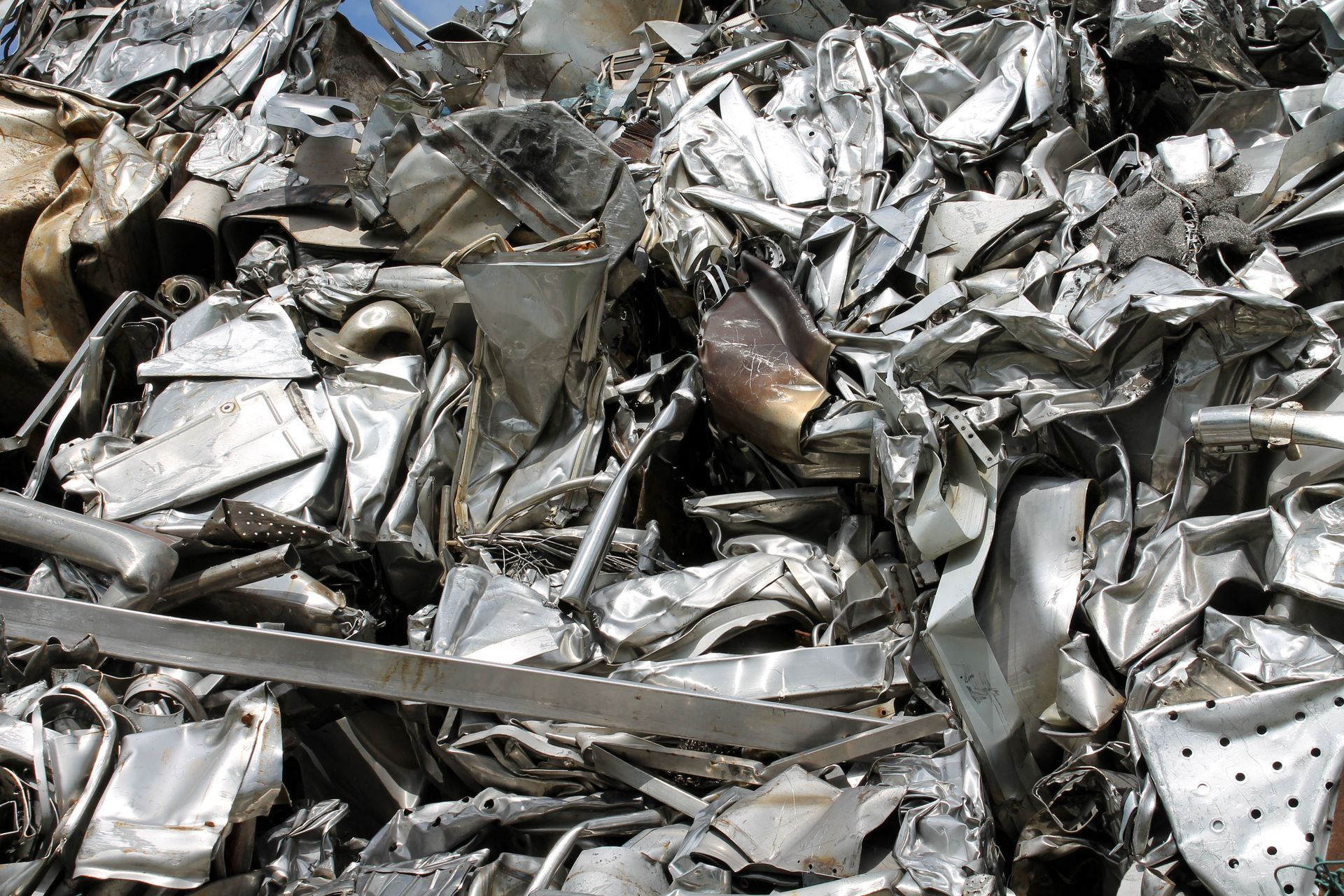
When it comes to recycling, metals and electronics are some of the most important materials to focus on. Items like copper wiring, aluminum cans, old appliances, steel parts, and even junk vehicles can all be processed and reused, reducing waste and conserving natural resources.
Understanding Different Types of Metal Recycling
One of the most important steps in improving your recycling habits is understanding that not all metals are the same. Different materials require different handling methods, and each one has value when processed correctly.
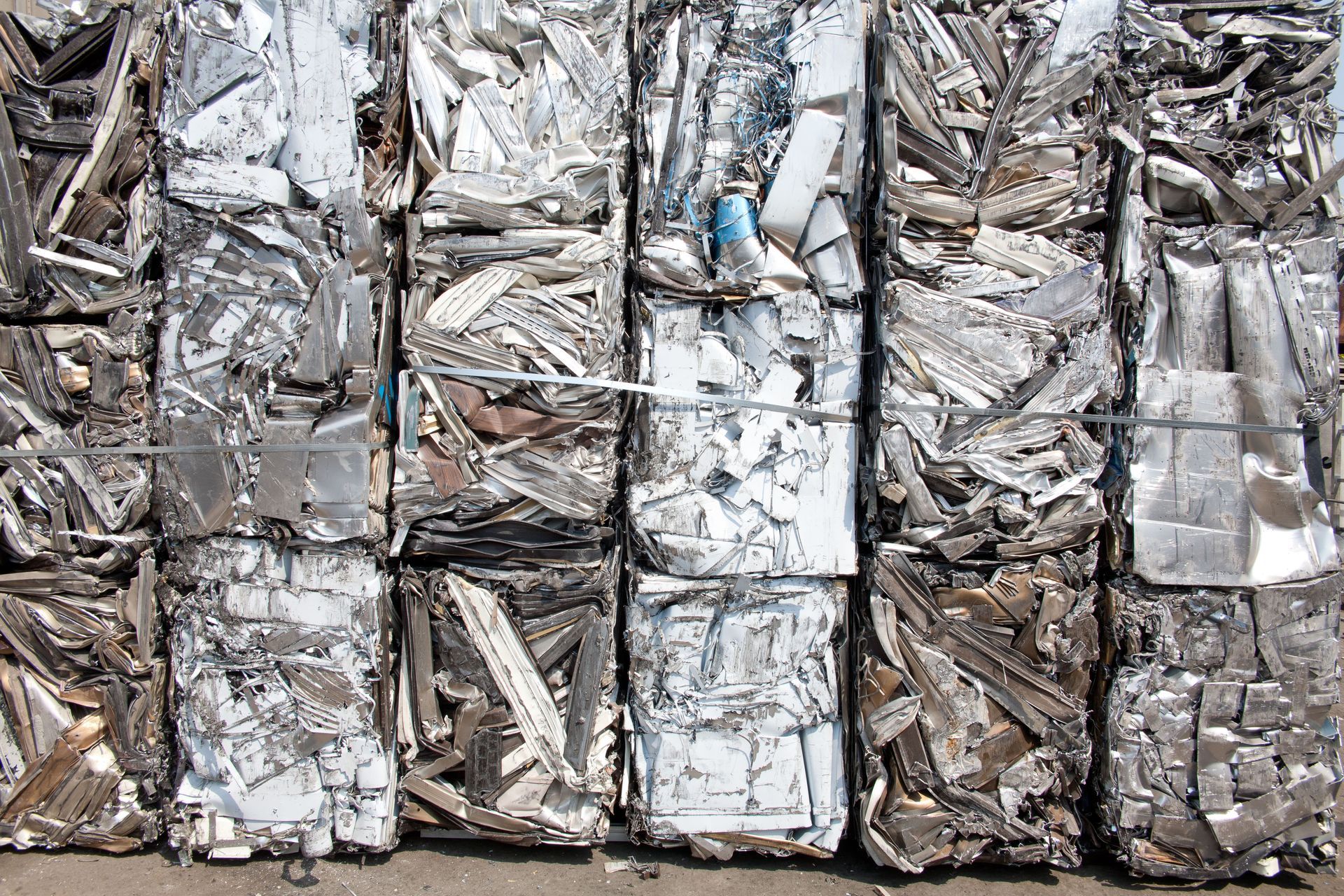
For example, copper recycling is especially important because copper is widely used in wiring and plumbing. It is highly reusable and retains its quality through repeated processing. Aluminum recycling is also extremely common since aluminum is lightweight and found in cans, siding, and packaging.
Stainless steel, brass, iron, and steel recycling all play a major role in construction, manufacturing, and industrial work. These materials are strong, durable, and valuable when recovered properly. Even lead recycling must be handled carefully due to safety concerns, but it still plays an important role in specialized applications.
Understanding these differences helps people recognize that scrap metal is not just waste; it is a resource that can be reused again and again.
Recycling Metals and Electronics for Environmental Benefits
The environmental impact of recycling metals and electronics is significant. Producing new metal from raw materials requires large amounts of energy, while recycling existing materials reduces that demand dramatically. That means fewer greenhouse gas emissions and less strain on natural resources.
Iron and steel recycling, for example, helps reduce the need for mining and raw ore processing. Copper and aluminum recycling also save large amounts of energy compared to producing new material from scratch. These savings add up quickly when done at scale.
Electronics recycling is equally important. Old devices often contain valuable metals like copper, aluminum, and small amounts of precious materials. Proper recycling keeps these materials out of landfills and reduces the environmental risks associated with electronic waste.
Overall,
recycling helps protect ecosystems, reduce pollution, and conserve the raw materials that would otherwise be extracted from the earth.
Setting Up Recycling Habits at Home and Work
Building better recycling habits starts with simply recognizing what materials you already have. Many homes accumulate scrap metal without realizing it, such as old appliances, wiring, broken tools, and leftover renovation materials.
A simple approach is to keep a designated space for recyclable metals until you are ready to bring them in. Separating items like aluminum, copper, and steel can also help you stay organized and make drop-off faster and easier.
Businesses and job sites can do the same on a larger scale. Construction work, maintenance projects, and facility upgrades often produce significant amounts of scrap metal. Having a plan in place for collecting and storing materials makes recycling more efficient and reduces unnecessary waste.
The key is consistency. When recycling becomes part of your normal routine, it stops feeling like an extra task and becomes second nature.
Recycling Electronics and Specialized Materials
Electronics recycling is one of the most overlooked parts of recycling, but it is also one of the most important. Old computers, appliances, wiring, and devices often contain valuable metals that can be recovered and reused.
Instead of letting these items sit in storage or end up in landfills, they can be processed to recover materials like copper and steel. This reduces the need for mining and helps manage electronic waste responsibly.
Specialized materials like lead also require proper handling. Because certain metals can be hazardous if not managed correctly, it is important to take them to a facility that knows how to process them safely and efficiently.
By recycling electronics and specialized scrap properly, you help keep harmful materials out of the environment while also recovering useful resources.
Learning How Recycling Facilities Handle Scrap Metal Efficiently
Modern recycling facilities make recycling much more efficient by offering structured systems for sorting, weighing, and processing materials. This includes everything from copper and brass to aluminum, iron, and stainless steel.
Many facilities also provide container services, which help businesses and larger projects manage ongoing scrap collection. Instead of making multiple trips, materials can be stored and picked up or delivered in larger quantities.
This type of system improves efficiency and encourages more consistent recycling. It also helps ensure that valuable materials are properly sorted and sent back into manufacturing cycles instead of being wasted.
The easier the process is for customers, the more likely they are to recycle regularly, which benefits both the environment and the local economy.
Considering Junk Cars and Large Metal Items
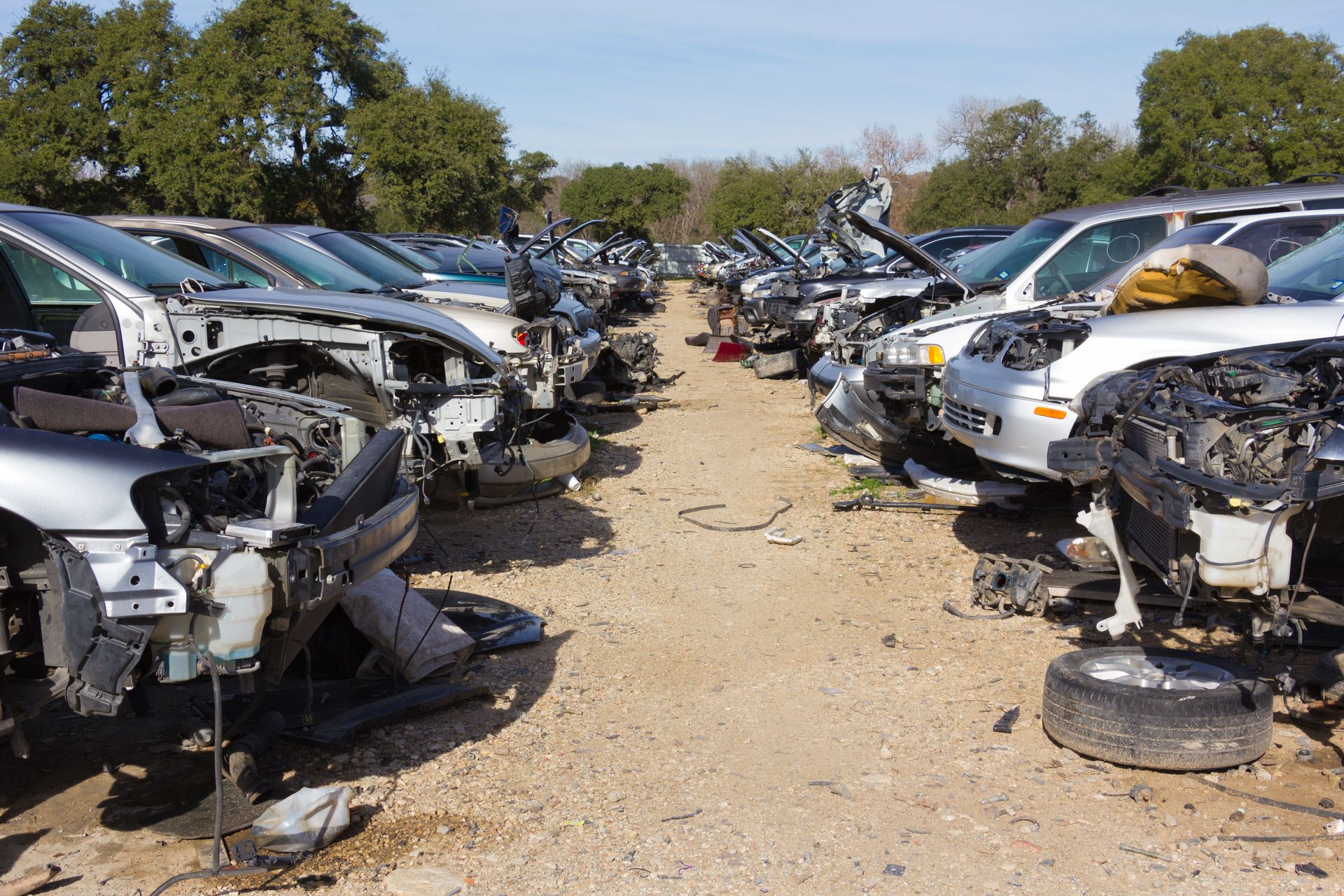
Junk cars are one of the most valuable sources of recycling material. Vehicles contain large amounts of steel, aluminum, copper wiring, and other metals that can all be recovered and reused.
Instead of letting old vehicles sit unused, they can be brought to a recycling facility where usable materials are extracted and processed. This reduces waste and helps keep large metal items out of landfills.
Even beyond cars, large items like appliances, machinery, and structural scrap metal all contribute to the recycling process. When handled correctly, these materials become part of a continuous cycle of reuse rather than disposal.
This is where recycling really shows its value, turning what looks like waste into something useful again.
Choosing a Trusted Recycling Center
Not all recycling centers operate the same way, which is why choosing a trusted facility matters. A reliable center will properly handle copper, stainless steel, aluminum, brass, lead, iron, steel, electronics, and even junk cars in a responsible and efficient way.
Good facilities also make the process easier for customers by offering services like container drop-off and pickup options for larger loads. This helps both individuals and businesses manage scrap more effectively without unnecessary hassle.
When recycling is simple, accessible, and properly managed, more materials get recovered and fewer resources are wasted. That is the real goal of a strong recycling system.
Recycling is not just about getting rid of unwanted materials; it is about recognizing the value in what we already have. Metals like copper, aluminum, brass, steel, and even electronics can all be reused when handled correctly, reducing waste and conserving resources for the future.
When people and businesses make recycling a regular habit, the impact adds up quickly across entire communities. It is a simple shift that creates long-term environmental benefits while also supporting more efficient use of materials.
If you are ready to take the next step, Mack's Twin City Recycling in Champaign, Illinois provides trusted recycling services for copper, stainless steel, aluminum, brass, lead, iron, steel, electronics, container services, and junk cars, with convenient drive-through and walk-in service designed to make recycling easy and accessible.